


Production introduction
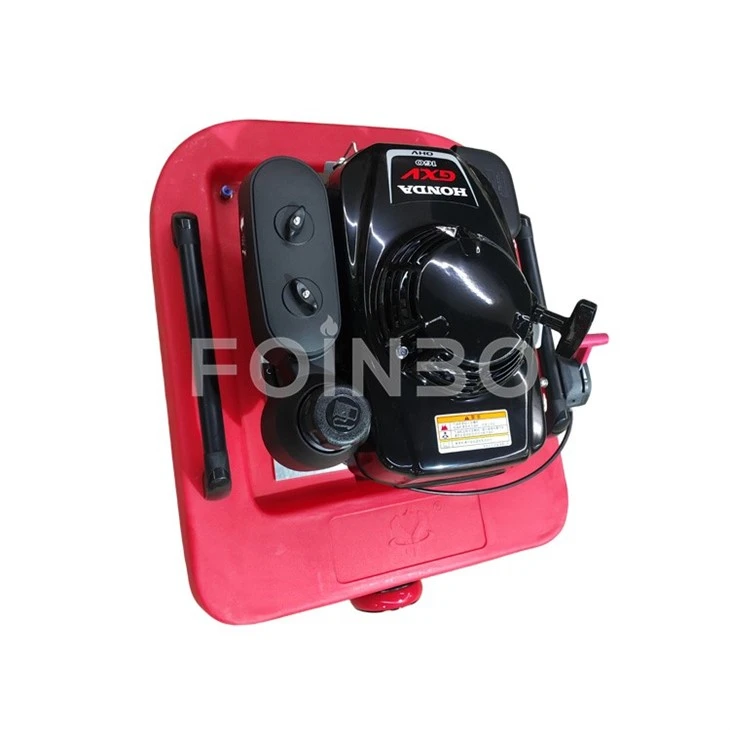
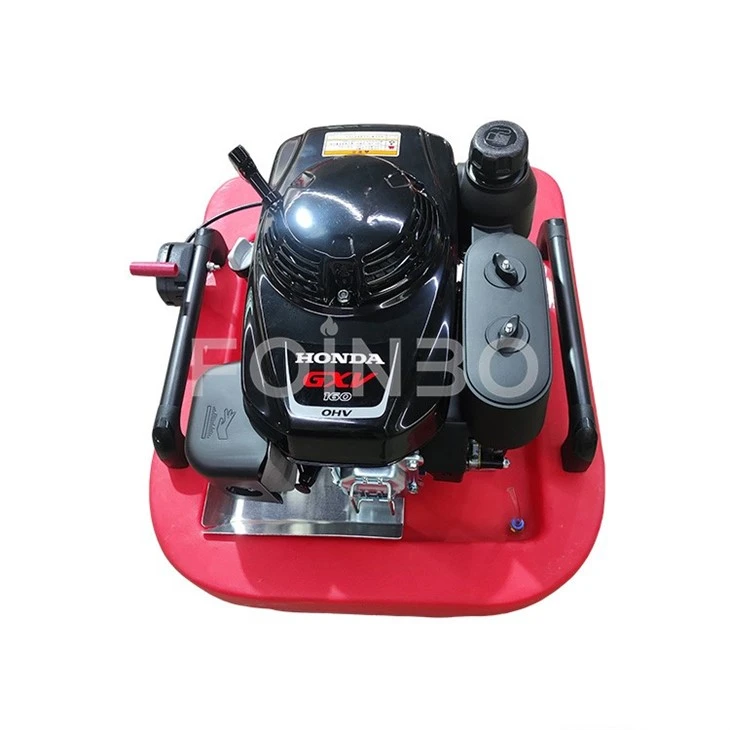
The Surface Fire Fighting Water Pump taps shallow open water sources to deliver pressurized water for on-site fire suppression across land and waterfront zones. This Surface Fire Fighting Water Pump floats directly on the water surface and requires no deep-water installation, powered by a reliable Loncin 7hp four-stroke gasoline engine independent of external power supplies. It reaches a maximum flow of 900L/M and a vertical pump head of 50 meters, allowing this Surface Fire Fighting Water Pump to push water uphill along extended fire hoses toward active fire fronts. Simple recoil pull-start enables crews to deploy this Surface Fire Fighting Water Pump and begin water delivery within minutes after launching onto ponds, creeks or reservoirs.
This Surface Fire Fighting Water Pump combines lightweight portability with stable continuous pumping capacity. The complete unit weighs only 26KG with compact outer dimensions, enabling two firefighters to carry this Surface Fire Fighting Water Pump across uneven shorelines, country roads and woodland trails. Symmetric 65mm inlet and outlet ports match mainstream fire hose specifications, so this Surface Fire Fighting Water Pump connects to suppression gear without extra conversion fittings. The buoyant base maintains horizontal balance under mild surface ripples, sustaining steady water intake and preventing air ingestion that weakens water jet power. Its air-cooled power unit avoids thermal shutdown during long shifts of surface firefighting tasks.
Products Parameters
|
Model |
FTQ3.0/8-L |
|
Engine type |
Air-cooled,4-stroke,single-cylinder, gasoline |
|
Engine model |
Loncin LC1P70F 7hp engine |
|
Starting way |
Recoil |
|
Max flow |
900L/M |
|
Rated pressure |
0.3Mpa |
|
Rated flow |
8L/S |
|
Pump head |
50m |
|
Inlet |
65mm |
|
Outlet |
65mm |
|
Weight |
26KG |
|
Appearance size |
650*550*450mm |
Application Scenarios Detail
- Brush & Surface Vegetation Fire Control: Fire crews deploy the pump on mountain ponds to draw surface water, building continuous spray barriers to contain grass and low shrub wildfires spreading across hillsides.
- Rural Farm & Grain Storage Fire Defence: For remote agricultural areas without municipal water pipelines, the pump extracts water from farm reservoirs to protect barns, silos and farm dwellings against structural fires.
- Lakeside Campsite & Leisure Zone Emergency Response: Stationed as standby safety equipment, it draws surface lake water to tackle shoreline camp fires and small recreational boat fire incidents at tourist waterfront areas.
- Inland Creek and Small Dock Fire Rescue: At river creeks and miniature fishing terminals, the floating pump absorbs surface water to extinguish fires on fishing craft, wooden piers and shore-side cargo stacks.
Products Description


FAQ
Q: What minimum water depth is required for normal operation of this Surface Fire Fighting Water Pump?
A: The inlet must stay fully submerged. Avoid extremely shallow water, as exposed intake will suck in air and lead to fluctuating flow and pressure during firefighting.
Q: How does this floating unit differ from submersible pumps for surface fire fighting tasks?
A: It sits on the water surface for easy observation, inspection and maintenance. Crews can quickly access the engine without fully lifting the pump out of water for troubleshooting.
Q: What precautions should be taken when using the Surface Fire Fighting Water Pump in water with abundant floating leaves and weeds?
A: Install a matched filter screen on the inlet port. Stop periodically to clear accumulated debris and prevent impeller clogging that interrupts water supply.
Q: Can the Surface Fire Fighting Water Pump maintain stable pressure when water is delivered upward along steep slopes?
A: It can reach the full 50-meter pump head. Reduce unnecessary hose bends to cut pressure loss and preserve effective jet distance on elevated fire zones.
Q: What post-operation maintenance is recommended after using this pump for surface fire fighting missions?
A: Flush internal pump passages with clean water, remove silt and vegetation from the filter, check the floating shell for damage, and store the pump in dry, shaded conditions.