


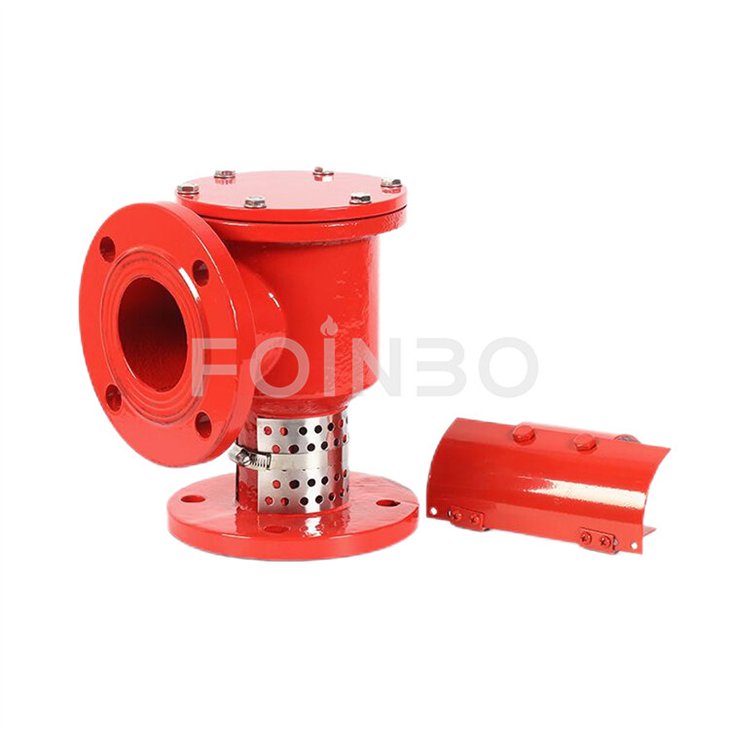

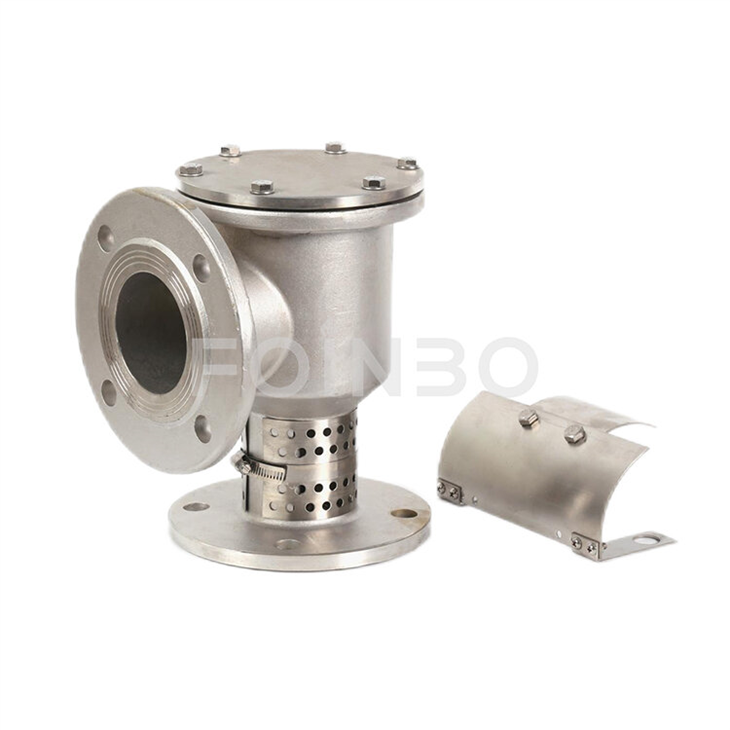
Production introduction
These Fire Foam Chambers operate within a working pressure range of 0.3 - 0.6MPa, making them compatible with standard firefighting systems. They adhere to BS4504/GB flange standards, facilitating easy integration into existing fire protection setups. A key feature is their ability to generate low - expansion foam (≥5 times expansion), which forms a dense and persistent foam blanket. This blanket effectively suppresses fires by cutting off the oxygen supply to the fuel and cooling the burning surfaces. Additionally, a 25% liquid drain time of ≥120s ensures the foam remains stable long enough to extinguish flames and prevent re - ignition.
Available in vertical models (PCL4, PCL8, PCL16, PCL24), Fire Foam Chambers cater to diverse flow rate needs. The PCL4 handles 240 LPM (2″ inlet, 2.5″ outlet), PCL8 manages 480 LPM (2.5″ inlet, 3″ outlet), PCL16 delivers 960 LPM (4″ inlet, 5″ outlet), and PCL24 supports 1440 LPM (5″ inlet, 6″ outlet). This variety allows for precise matching to different fire risk levels, from small storage tanks to large industrial reservoirs.
Whether protecting valuable assets from ignition or containing active flammable liquid fires, Fire Foam Chambers provide targeted and efficient suppression. Their carbon - steel construction resists mechanical stress and corrosion, while standardized flanges simplify installation and maintenance. For industries seeking reliable fire control, these chambers offer a dependable solution, combining durability, performance, and adaptability to safeguard operations and personnel.
Products Parameters
|
Model Number |
Type |
Flow Rate |
Inlet Size |
Outlet Size |
|
PCL4 |
Low Expansion,vertical |
240LPM |
50mm(2'') |
80mm (3'') |
|
PCL8 |
Low Expansion,vertical |
480LPM |
65mm(2.5'') |
100mm(4'') |
|
PCL16 |
Low Expansion,vertical |
960LPM |
80mm (3'') |
150mm(6'') |
|
PCL24 |
Low Expansion,vertical |
1440LPM |
100mm (4'') |
200mm (8'') |
Products Features
| Body Material |
Carbon Steel; |
| Working Pressure Range |
0.3-0.6MPa; |
| Expansion | Low expansion,≥5 Times; |
| 25% Liquid Drain Time | ≥ 120 s; |
|
Flange Standard of Proportioner |
ANSI / BS4504 / GB; |
| Surface Finishing | Painting |
Products Description


Products Detailed

FAQ
Q: Are Fire Foam Chambers suitable for use with all types of foam concentrates?
A: They work with most low - expansion foam concentrates, but it's crucial to check compatibility. Some specialized concentrates (e.g., alcohol - resistant types) may require specific chamber configurations. Always consult the manufacturer's guidelines.
Q: How often should Fire Foam Chambers be inspected for optimal performance?
A: Conduct routine inspections every 6 months. Check for corrosion, blockages in inlet/outlet, and ensure flange connections are secure. Annual functional tests (e.g., foam expansion, drain time) are also recommended.
Q: Can Fire Foam Chambers be installed in outdoor, exposed environments?
A: Yes, but additional protection is needed. Apply weather - resistant coatings and use protective enclosures to shield from extreme weather (e.g., heavy rain, snow, direct sunlight) that could impact performance or durability.
Q: What is the impact of incorrect installation on Fire Foam Chambers?
A: Improper installation can lead to uneven foam distribution, reduced expansion efficiency, or system leaks. Follow strict alignment and sealing procedures (per BS4504/GB standards) and have installations verified by qualified technicians.
Q: How do Fire Foam Chambers perform in high - humidity environments?
A: High humidity alone has minimal impact, but combined with temperature fluctuations, it may cause internal condensation. Ensure proper ventilation around chambers and inspect for moisture - related corrosion during routine checks.