

As a supplier of foam carts, one question that frequently arises in my line of work is whether foam carts are flammable. This is a crucial concern for many potential buyers, especially those in industries where fire safety is of utmost importance. In this blog post, I'll delve into the science behind foam carts, their flammability, and how you can make informed decisions when it comes to purchasing these essential pieces of equipment.
Understanding Foam Carts
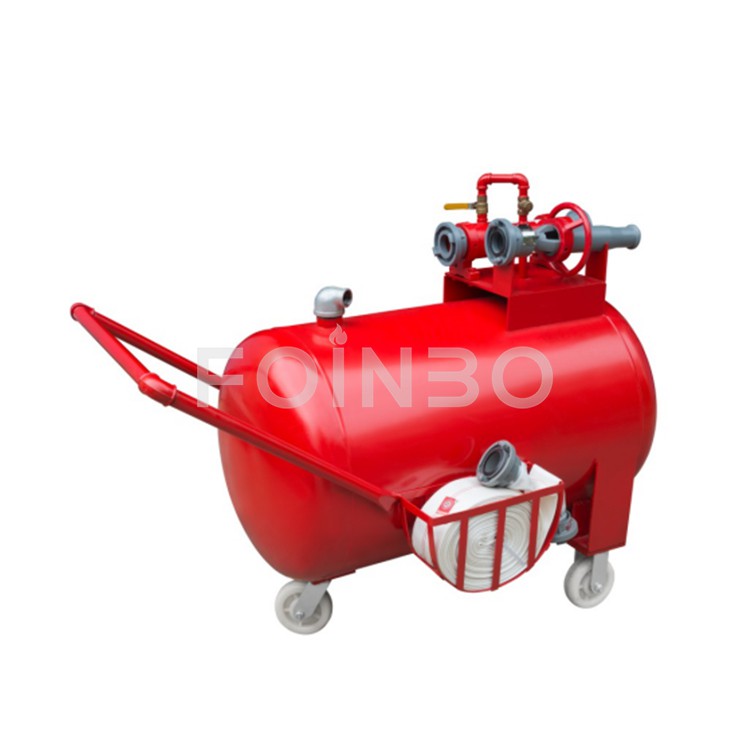
Before we discuss flammability, let's first understand what foam carts are. Foam carts are mobile units designed to store and dispense fire - fighting foam. They are commonly used in various settings, such as industrial facilities, airports, and marine environments. There are different types of foam carts available, each tailored to specific fire - fighting needs. For instance, the Mobile Foam Trolley Units are highly portable and can be easily maneuvered to the site of a fire. The Afff Foam Cart uses AFFF (Aqueous Film - Forming Foam), which is effective against hydrocarbon fires, and the Mobile Foam Cart provides flexibility in foam delivery.
Components of Foam Carts
To assess the flammability of foam carts, we need to look at their components. A typical foam cart consists of a tank to hold the foam concentrate, a pump system to pressurize and dispense the foam, hoses, and nozzles. The materials used in these components play a significant role in determining the overall flammability of the cart.
The tank is usually made of materials such as polyethylene or stainless steel. Polyethylene is a thermoplastic polymer. While it can melt and burn under certain conditions, it has a relatively high ignition temperature. Stainless steel, on the other hand, is non - flammable. It can withstand high temperatures without catching fire, making it a safe choice for the construction of the tank.

The pump system may contain electrical components. Electrical components can pose a fire risk if they are faulty or overloaded. However, modern foam carts are designed with safety features to prevent electrical fires. For example, they are equipped with circuit breakers and grounding systems to protect against short - circuits and electrical malfunctions.
The hoses and nozzles are typically made of rubber or synthetic materials. Rubber can be flammable, but fire - resistant rubbers are often used in the construction of these parts. These fire - resistant rubbers have been treated to increase their ignition temperature and reduce their flammability.
Flammability of Foam Concentrates
The foam concentrate is the most important part of a foam cart, as it is responsible for extinguishing the fire. Different types of foam concentrates have different flammability characteristics.
Aqueous Film - Forming Foam (AFFF) concentrates are widely used in foam carts. AFFF contains surfactants that form a thin film on the surface of the fuel, preventing the release of flammable vapors. AFFF itself is not highly flammable. It has a high flash point, which means it requires a relatively high temperature to ignite.
Protein - based foam concentrates are another type. They are made from hydrolyzed proteins and are effective against hydrocarbon fires. Protein foams are generally less flammable than some other types of organic substances. However, they can burn if exposed to high - intensity heat sources for an extended period.
Safety Measures and Standards
To ensure the safety of foam carts, there are strict safety measures and standards in place. These standards govern the design, construction, and use of foam carts.
Manufacturers are required to test their foam carts for flammability and other safety parameters. For example, they must conduct ignition tests to determine the minimum temperature at which the components of the cart can catch fire. The foam concentrates must also meet specific flammability and performance standards.
In addition, users of foam carts are trained on proper handling and maintenance. They are taught how to store the foam carts in a safe environment, away from potential fire sources. Regular inspections are also carried out to check for any signs of wear and tear, which could increase the risk of fire.
Mitigating Flammability Risks
Even though foam carts are designed to be as safe as possible, there are still some steps that can be taken to further mitigate the risk of fire.
- Proper Storage: Foam carts should be stored in a cool, dry place away from direct sunlight and heat sources. This helps to prevent the degradation of the materials and reduces the risk of ignition.
- Regular Maintenance: Regular maintenance of the foam cart is essential. This includes checking the hoses for cracks, the electrical components for proper functioning, and the foam concentrate for its effectiveness. Any faulty parts should be replaced immediately.
- Use of Fire - Resistant Materials: When possible, choose foam carts that are made of fire - resistant materials. This can significantly reduce the risk of fire in case of an emergency.
Conclusion
In conclusion, while foam carts have components that could potentially be flammable, modern design and safety standards have made them relatively safe. The materials used in the construction of foam carts, such as stainless steel tanks and fire - resistant hoses, along with the low flammability of foam concentrates, contribute to their overall safety.
However, it is important to remember that no piece of equipment is completely risk - free. By following proper safety measures, such as proper storage and regular maintenance, the risk of fire can be minimized.
If you are in the market for a foam cart, I encourage you to reach out for a detailed discussion about your specific needs. Whether you are looking for a Mobile Foam Trolley Units, an Afff Foam Cart, or a Mobile Foam Cart, I am here to assist you in making the right choice. Contact me to start the purchasing process and ensure that you have a reliable and safe foam cart for your fire - fighting needs.
References
- National Fire Protection Association (NFPA) Standards on Fire - Fighting Foam Equipment
- International Maritime Organization (IMO) Guidelines for Fire - Fighting Foam Systems
- Manufacturer's Specifications and Technical Data Sheets for Foam Carts