

As a supplier of foam carts, I often encounter inquiries from customers regarding the noise level of these carts when in motion. This is a valid concern, especially for those who plan to use foam carts in environments where noise could be a disruption, such as hospitals, libraries, or quiet office spaces. In this blog post, I will delve into the factors that influence the noise production of foam carts and provide insights on how to minimize it.
Understanding the Sources of Noise in Foam Carts
To assess whether foam carts are noisy when moving, it's essential to understand the primary sources of noise. The main culprits are the wheels, the structure of the cart, and the interaction between the cart and its load.
Wheels
The wheels of a foam cart play a significant role in noise generation. When the wheels roll on a surface, they create friction, which can produce sound. The type of wheel material, its hardness, and the surface it rolls on all affect the noise level. For example, hard plastic wheels on a rough concrete floor are likely to be noisier than soft rubber wheels on a smooth linoleum surface. Additionally, the quality of the wheel bearings can also impact noise. Poorly lubricated or worn-out bearings can cause rattling or squeaking sounds as the wheels turn.
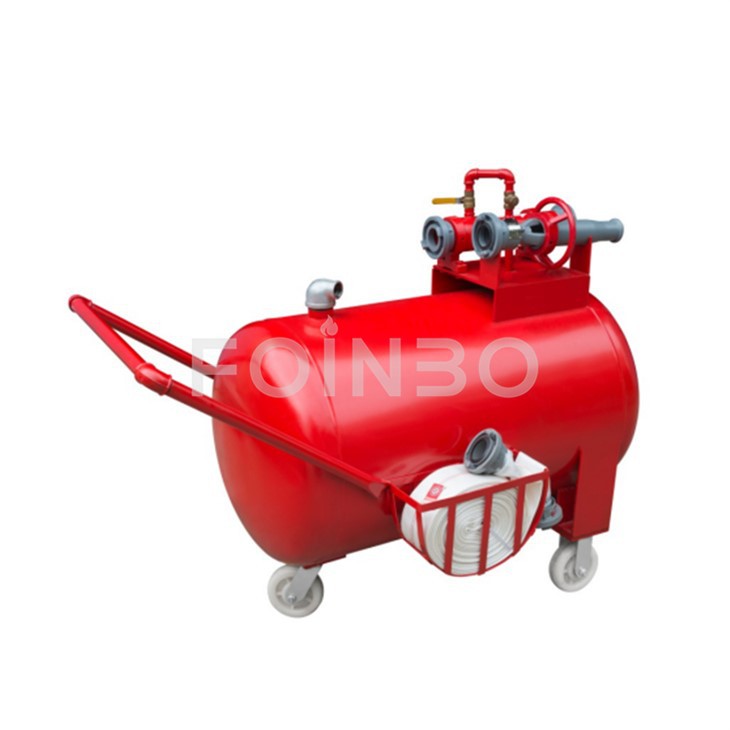

Cart Structure
The structure of the foam cart itself can contribute to noise. Loose parts, such as bolts, nuts, or brackets, can vibrate and create rattling sounds when the cart is in motion. The design of the cart, including the frame and the way it is assembled, can also affect its noise level. A well-built cart with a sturdy frame and tight connections is less likely to produce excessive noise compared to a poorly constructed one.
Load Interaction
The way the load is placed on the foam cart can also generate noise. If the items on the cart are not properly secured, they can shift and bump against each other or the sides of the cart, creating additional noise. For instance, if a cart is carrying glassware or other fragile items that are not cushioned or packed securely, the movement of the cart can cause them to rattle and make noise.
Factors Affecting Noise Levels
Several factors can influence the noise level of foam carts when moving. These include the speed of the cart, the surface it travels on, and the weight of the load.
Speed
The speed at which the foam cart is moving can have a significant impact on noise. Generally, the faster the cart moves, the more noise it will produce. This is because increased speed leads to greater friction between the wheels and the surface, as well as more movement and vibration within the cart structure. For example, a cart moving at a slow, steady pace is likely to be quieter than one being pushed quickly or erratically.
Surface
The surface on which the foam cart travels also affects its noise level. Different surfaces have different levels of roughness and texture, which can impact the friction between the wheels and the ground. Smooth surfaces, such as polished floors or well-maintained carpets, tend to produce less noise compared to rough or uneven surfaces like gravel or cobblestones. Additionally, the material of the surface can also play a role. For instance, a cart moving on a rubber mat is likely to be quieter than one on a hard tile floor.
Load Weight
The weight of the load carried by the foam cart can influence noise. Heavier loads can put more pressure on the wheels and the cart structure, causing increased friction and vibration. As a result, a cart carrying a heavy load is likely to be noisier than one with a lighter load. However, it's important to note that the way the load is distributed on the cart also matters. A well-balanced load is less likely to cause excessive noise compared to an unevenly distributed one.
Minimizing Noise in Foam Carts
As a foam cart supplier, I understand the importance of providing quiet and efficient solutions for our customers. Here are some tips on how to minimize the noise of foam carts when moving:
Choose the Right Wheels
Selecting the appropriate wheels for your foam cart is crucial in reducing noise. Opt for wheels made of soft, rubber-like materials, as they tend to absorb shock and reduce friction, resulting in less noise. Additionally, look for wheels with high-quality bearings that are well-lubricated and designed to operate smoothly. Consider the type of surface the cart will be used on and choose wheels that are suitable for that environment. For example, if the cart will be used on a smooth floor, wheels with a smooth tread may be more appropriate, while if it will be used on a rough surface, wheels with a more aggressive tread may be needed.
Maintain the Cart
Regular maintenance of the foam cart can help keep noise levels down. Check the cart for loose parts, such as bolts, nuts, or brackets, and tighten them as needed. Lubricate the wheel bearings periodically to ensure smooth operation and prevent squeaking. Inspect the wheels for wear and tear and replace them if necessary. A well-maintained cart is less likely to produce excessive noise and will also have a longer lifespan.
Secure the Load
Properly securing the load on the foam cart is essential in reducing noise. Use straps, bungee cords, or other securing devices to keep the items in place and prevent them from shifting or bumping against each other. If the load consists of fragile or noisy items, consider using cushioning materials, such as foam pads or bubble wrap, to absorb shock and reduce noise. Additionally, distribute the load evenly on the cart to prevent uneven stress on the wheels and the structure.
Slow Down
Reducing the speed of the foam cart can significantly decrease noise. Encourage users to push the cart at a slow, steady pace rather than quickly or erratically. This not only reduces noise but also improves safety and control. A slower speed allows the wheels to roll more smoothly and reduces the likelihood of sudden jolts or vibrations that can cause noise.
Our Foam Cart Solutions
At our company, we offer a range of Foam Carts designed to minimize noise and provide efficient transportation solutions. Our Foam Mobile Cart is equipped with high-quality wheels made of soft rubber materials that absorb shock and reduce friction, resulting in quiet operation. The cart's sturdy frame and tight connections ensure stability and minimize rattling sounds. Additionally, our Mobile Foam Unit is designed to securely hold foam products and prevent them from shifting or making noise during transportation.
Conclusion
In conclusion, whether foam carts are noisy when moving depends on several factors, including the wheels, the cart structure, the load interaction, the speed, the surface, and the weight of the load. By understanding these factors and taking appropriate measures to minimize noise, such as choosing the right wheels, maintaining the cart, securing the load, and slowing down, you can ensure that your foam carts operate quietly and efficiently.
If you are interested in our foam cart products or have any questions about noise reduction or other aspects of foam cart usage, please feel free to contact us for a consultation. We are committed to providing high-quality, quiet, and reliable foam cart solutions to meet your needs.
References
- "Industrial Caster and Wheel Selection Guide." Hamilton Caster.
- "Noise Reduction Techniques for Moving Equipment." Engineering ToolBox.
- "Materials for Quiet Wheels." Caster Concepts.