

Are there any regulations regarding the use of foam nozzles?
As a supplier of foam nozzles, I often get asked about the regulations surrounding their use. Foam nozzles play a crucial role in various industries, especially in fire - fighting and industrial cleaning. Understanding the regulations is not only important for compliance but also for ensuring the safety and effectiveness of the operations where these nozzles are employed.
Fire - Fighting Industry Regulations
In the fire - fighting industry, foam nozzles are an essential tool for extinguishing flammable liquid fires. Different countries and regions have their own sets of regulations governing the design, manufacturing, and use of foam nozzles.
In the United States, the National Fire Protection Association (NFPA) has established a series of standards related to fire - fighting foam systems. For example, NFPA 11, "Standard for Low, Medium, and High - Expansion Foam," provides detailed requirements for foam nozzles used in fire - protection applications. It specifies the minimum and maximum flow rates, foam expansion ratios, and the type of foam concentrates that can be used with different types of nozzles.
European countries follow the standards set by the European Committee for Standardization (CEN). EN 1568 is a well - known standard that covers foam concentrates and foam - producing equipment, including foam nozzles. It ensures that the foam nozzles used in Europe meet certain safety and performance criteria, such as the ability to generate a stable and effective foam blanket to suppress fires.
These regulations are in place to guarantee that the foam nozzles can perform as expected during a fire emergency. For instance, the proper foam expansion ratio is crucial. If the expansion ratio is too low, the foam may not cover a large enough area to suppress the fire effectively. On the other hand, if it is too high, the foam may be too light and easily blown away by the wind or the force of the fire.
Industrial Cleaning and Other Applications
Apart from fire - fighting, foam nozzles are also used in industrial cleaning, food processing, and other applications. In industrial cleaning, for example, the use of foam nozzles can help in applying cleaning agents more evenly and effectively. However, there are still regulations to consider.
Environmental regulations are a major concern in these applications. The chemicals used in the foam solutions need to be compliant with local and international environmental standards. For example, some countries have strict limits on the use of certain types of surfactants in cleaning foams due to their potential impact on water quality.
Workplace safety regulations also come into play. Workers using foam nozzles in industrial settings need to be properly trained to handle the equipment and the chemicals. The nozzles themselves should be designed to minimize the risk of accidents, such as the risk of leakage or the generation of high - pressure sprays that could cause injury.
Types of Foam Nozzles and Their Compliance
There are different types of foam nozzles available in the market, each with its own set of compliance requirements.
The Spray Foam Nozzle is commonly used for applications where a fine mist or spray of foam is required. These nozzles need to meet specific atomization standards to ensure that the foam is evenly distributed. In fire - fighting, a well - atomized spray can quickly cover a large area, while in industrial cleaning, it can ensure that the cleaning agent reaches all the necessary surfaces.
The Air Aspirating Foam Nozzle works by drawing in air to create a foam with a higher expansion ratio. These nozzles are subject to regulations regarding the air intake mechanism and the resulting foam quality. The air intake must be designed to prevent the entry of debris, which could affect the performance of the nozzle.
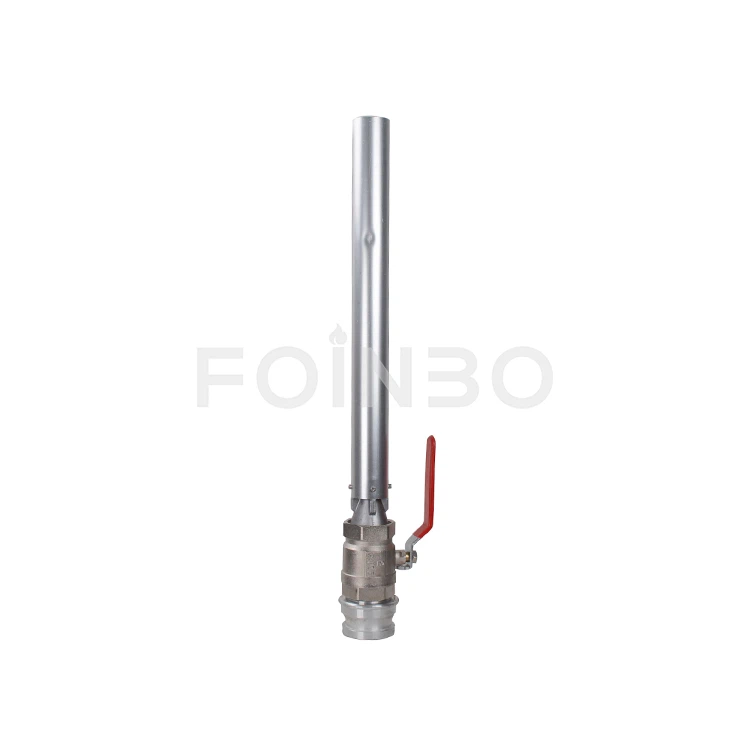
The Foam Aspirating Nozzle is another type that is widely used. It is designed to mix the foam concentrate with water and air to produce a stable foam. Regulations for these nozzles focus on the mixing efficiency and the stability of the foam produced.
Our Role as a Supplier
As a foam nozzle supplier, we understand the importance of compliance. We ensure that all our products are designed and manufactured in accordance with the relevant regulations. Our research and development team constantly monitors the changes in regulations around the world to make sure that our products remain up - to - date.
We also provide our customers with detailed information about the compliance of our products. When a customer purchases a foam nozzle from us, we can provide them with certificates of compliance, test reports, and other relevant documentation. This helps our customers to use our products with confidence, knowing that they are meeting all the necessary regulatory requirements.

Conclusion and Call to Action
In conclusion, there are indeed a variety of regulations regarding the use of foam nozzles. These regulations are in place to ensure the safety, effectiveness, and environmental friendliness of the operations where foam nozzles are used. Whether it is in fire - fighting, industrial cleaning, or other applications, compliance is essential.
If you are in the market for high - quality, compliant foam nozzles, we would love to hear from you. Our team of experts can help you choose the right type of nozzle for your specific needs and ensure that you are fully aware of all the regulatory requirements. Contact us today to start a discussion about your foam nozzle requirements and let us help you find the best solution for your business.
References
- National Fire Protection Association (NFPA). NFPA 11: Standard for Low, Medium, and High - Expansion Foam.
- European Committee for Standardization (CEN). EN 1568: Foam concentrates and foam - producing equipment.
- Various local and international environmental and workplace safety regulations.