

Hey there! As a supplier of foam inductors, I often get asked some pretty interesting questions. One that's come up a lot lately is, "Can a foam inductor be used in a lighting circuit?" Let's dive into this topic and see what we can find out.
First off, let's talk about what a foam inductor is. A foam inductor is a key component in fire - fighting foam systems. Its main job is to introduce foam concentrate into the water stream at the right ratio to create an effective fire - fighting foam. There are different types of foam inductors, like the Portable Foam Inductor, the Fire Fighting Foam Inductor, and the Suction Foam Inductor. Each type has its own unique features and is designed for specific applications in the fire - fighting field.
Now, onto lighting circuits. A lighting circuit is a loop of electrical wiring that powers lights. It consists of a power source, wires, switches, and light fixtures. The electrical current flows through the circuit, and when the switch is turned on, it allows the current to reach the light bulb, making it glow.
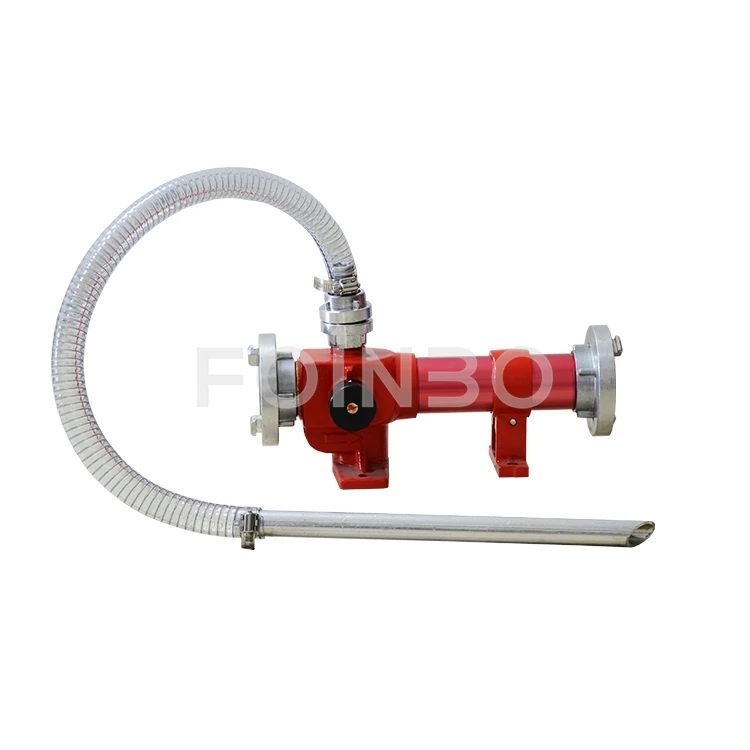
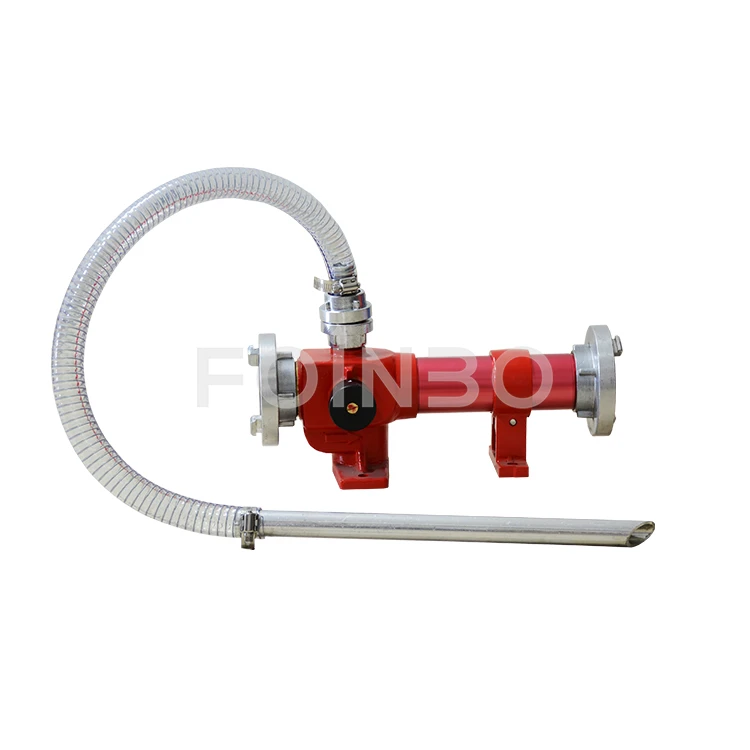
So, can we use a foam inductor in a lighting circuit? The short answer is no, and here's why.
Physical and Functional Mismatch
Foam inductors are mechanical devices that work based on fluid dynamics. They rely on the flow of water to create a pressure difference that draws in the foam concentrate. In contrast, lighting circuits operate on electrical principles. They deal with the flow of electrons through conductive materials like copper wires. The physical nature of a foam inductor, made of materials suitable for handling water and foam, has nothing in common with the electrical components needed for a lighting circuit.
Imagine trying to use a hammer to turn a screw. A hammer is designed for pounding, while a screw needs a rotational force applied by a screwdriver. Similarly, a foam inductor is built to mix fluids, and a lighting circuit needs electrical components to control and conduct electricity.
Safety Concerns
Using a foam inductor in a lighting circuit would pose serious safety risks. Foam inductors are not insulated for electrical use. If they were introduced into an electrical circuit, there could be a short - circuit, which might lead to sparks, electrical fires, or even electrocution. Electrical systems need components that are specifically designed to handle electrical currents safely, with proper insulation and grounding.
On the other hand, lighting circuits are designed to work in dry and clean environments. Foam inductors are used with water and foam, which are conductive substances. Introducing water or foam into a lighting circuit could cause the electrical current to leak, damaging the electrical equipment and endangering anyone nearby.
Electrical Compatibility
Even if we could somehow make a foam inductor fit physically into a lighting circuit, it wouldn't be electrically compatible. The electrical characteristics of a lighting circuit, such as voltage, current, and resistance, are carefully designed to work with specific electrical components like bulbs, switches, and resistors. A foam inductor has no electrical properties that would allow it to function properly within these parameters.
For example, a light bulb has a certain resistance that determines how much current will flow through it and how bright it will shine. A foam inductor doesn't have a resistance value that can be integrated into the electrical calculations of a lighting circuit.
Alternative Uses of Foam Inductors
Although foam inductors can't be used in lighting circuits, they have a wide range of important applications in the fire - fighting industry. Portable foam inductors are great for quick - response fire - fighting situations, like in small industrial sites or during emergency rescue operations. They can be easily carried to the scene and set up to create an effective fire - fighting foam.
Fire fighting foam inductors are used in fixed fire - protection systems in buildings, warehouses, and oil refineries. These systems are designed to automatically detect and suppress fires, and the foam inductor plays a crucial role in ensuring that the right amount of foam is generated.
Suction foam inductors are often used in situations where there is a need to draw foam concentrate from a container. They are commonly used in fire trucks and other mobile fire - fighting equipment.
Why Choose Our Foam Inductors
As a supplier, we take pride in offering high - quality foam inductors. Our products are made from durable materials that can withstand the harsh conditions of fire - fighting operations. We have a team of experts who ensure that each foam inductor is carefully tested and meets the highest industry standards.
Our foam inductors are designed for easy installation and maintenance. Whether you need a portable inductor for on - the - go fire - fighting or a large - scale inductor for a fixed system, we have the right product for you. We also offer customized solutions to meet your specific requirements.
Conclusion
In conclusion, a foam inductor cannot be used in a lighting circuit due to physical, functional, safety, and electrical compatibility issues. However, foam inductors are essential components in fire - fighting systems and have a wide range of applications in that field.
If you're in the market for a foam inductor, whether it's a Portable Foam Inductor, a Fire Fighting Foam Inductor, or a Suction Foam Inductor, we'd love to hear from you. Contact us to start a discussion about your needs and let's find the perfect foam inductor solution for you.
References
- NFPA (National Fire Protection Association) standards on fire - fighting foam systems.
- Textbooks on fluid dynamics and electrical engineering.