

As a supplier of foam inductors, I've been frequently asked about the potential use of our products in medical device circuits. This is a fascinating and complex topic that requires a deep understanding of both foam inductor technology and the stringent requirements of medical devices. In this blog post, I'll explore the feasibility of using foam inductors in medical device circuits, discussing the technical aspects, potential benefits, and challenges.
Understanding Foam Inductors
Before delving into their potential use in medical device circuits, let's first understand what foam inductors are. Foam inductors are a type of inductor that uses a foam material as the core. The foam core provides several advantages over traditional cores, such as low weight, high flexibility, and good thermal stability. These characteristics make foam inductors suitable for a wide range of applications, including power electronics, telecommunications, and automotive systems.

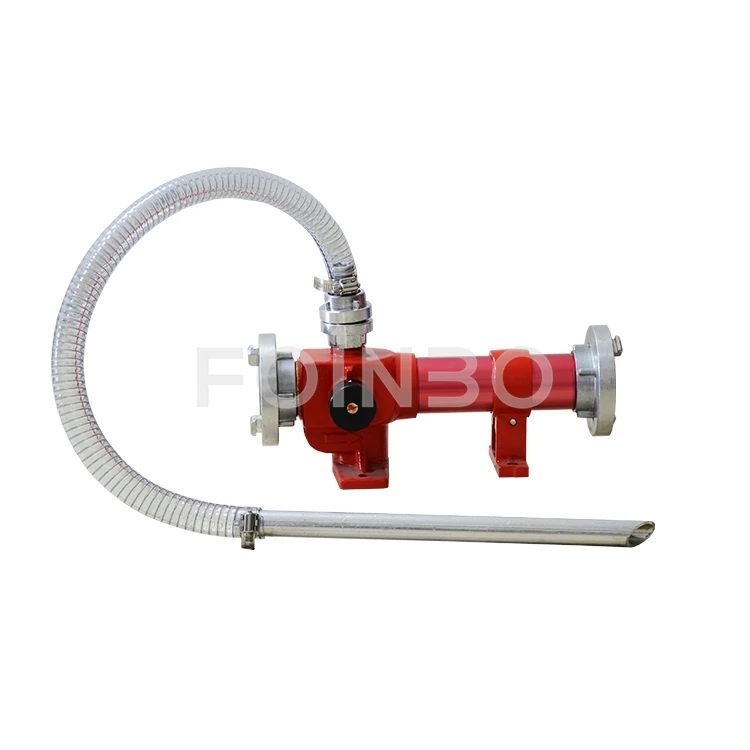
We offer a variety of foam inductors, including Inline Foam Inductor, Portable Foam Inductor, and Suction Foam Inductor. Each type of inductor is designed to meet specific requirements and applications.
Technical Considerations for Medical Device Circuits
Medical device circuits have unique requirements that must be met to ensure the safety and effectiveness of the devices. These requirements include high reliability, low noise, and compliance with strict regulatory standards. When considering the use of foam inductors in medical device circuits, several technical factors need to be taken into account.
Electrical Performance
The electrical performance of foam inductors is a critical factor in determining their suitability for medical device circuits. Inductors are used in medical devices for various purposes, such as filtering, energy storage, and signal processing. Therefore, they must have stable inductance values, low resistance, and high quality factors to ensure accurate and reliable operation.
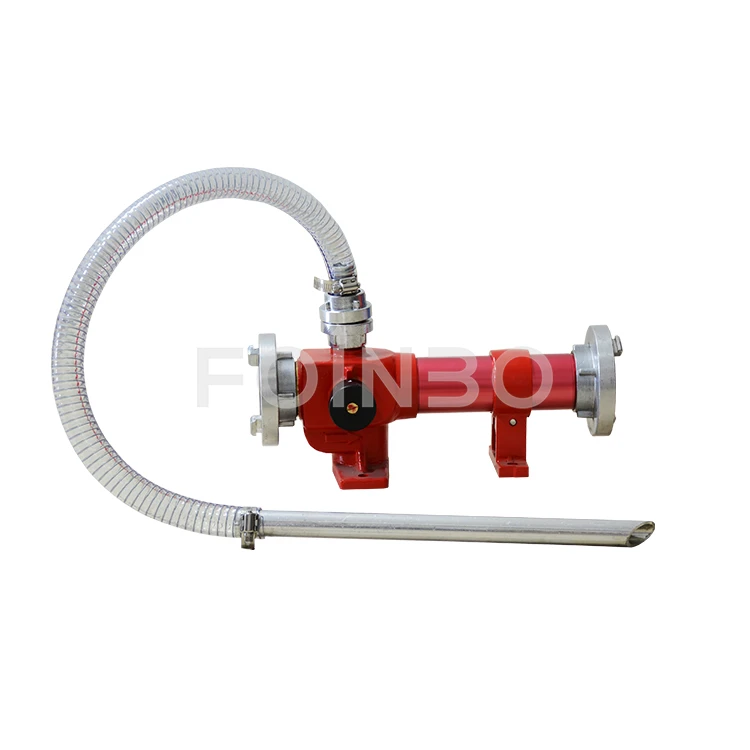
Our foam inductors are designed to provide excellent electrical performance. They have tight inductance tolerances, low DC resistance, and high self-resonant frequencies, which make them suitable for use in high-frequency medical device circuits.
Thermal Management
Medical devices often generate heat during operation, and proper thermal management is essential to ensure their reliability and longevity. Foam inductors have good thermal stability, which means they can withstand high temperatures without significant degradation in performance. However, it is still important to consider the thermal environment of the medical device and ensure that the foam inductor is properly cooled.
We provide detailed thermal data for our foam inductors, which can help medical device designers optimize the thermal management of their circuits. Additionally, we can work with customers to develop custom solutions to meet their specific thermal requirements.
EMI/RFI Suppression
Electromagnetic interference (EMI) and radio frequency interference (RFI) can pose a significant threat to the performance of medical devices. Foam inductors can be used to suppress EMI/RFI by providing a high impedance path for unwanted signals. This helps to reduce the electromagnetic emissions of the medical device and improve its immunity to external interference.
Our foam inductors are designed with EMI/RFI suppression in mind. They have low magnetic coupling and high shielding effectiveness, which make them effective in reducing EMI/RFI in medical device circuits.
Potential Benefits of Using Foam Inductors in Medical Device Circuits
Despite the challenges, there are several potential benefits of using foam inductors in medical device circuits.
Size and Weight Reduction
Medical devices are often designed to be compact and lightweight, especially those used in portable or wearable applications. Foam inductors have a low profile and lightweight design, which makes them ideal for use in space-constrained medical devices. By using foam inductors, medical device designers can reduce the size and weight of their circuits without sacrificing performance.
Flexibility and Customization
Foam inductors are highly flexible and can be easily customized to meet the specific requirements of medical device circuits. They can be designed in various shapes and sizes, and their electrical properties can be tailored to achieve the desired performance. This flexibility allows medical device designers to optimize the design of their circuits and improve the overall performance of the device.
Cost Savings
In some cases, using foam inductors in medical device circuits can result in cost savings. Foam inductors are generally less expensive than traditional inductors, especially when considering the cost of materials and manufacturing. Additionally, the reduced size and weight of foam inductors can lead to lower shipping and packaging costs.
Challenges and Limitations
While there are potential benefits to using foam inductors in medical device circuits, there are also several challenges and limitations that need to be addressed.
Regulatory Compliance
Medical devices are subject to strict regulatory requirements, and any components used in these devices must comply with these regulations. Foam inductors must meet the relevant standards for electrical safety, electromagnetic compatibility, and biocompatibility. Ensuring regulatory compliance can be a complex and time-consuming process, and it requires close collaboration between the foam inductor supplier and the medical device manufacturer.
Long-Term Reliability
Medical devices are expected to have a long service life, and the components used in these devices must be reliable over an extended period. Foam inductors may be subject to degradation over time due to factors such as temperature, humidity, and mechanical stress. Therefore, it is important to conduct rigorous reliability testing to ensure that the foam inductors can meet the long-term reliability requirements of medical devices.
Compatibility with Other Components
Medical device circuits typically consist of multiple components, and the foam inductor must be compatible with these components to ensure proper operation. Compatibility issues can arise due to differences in electrical properties, thermal characteristics, and mechanical dimensions. Therefore, it is important to carefully evaluate the compatibility of the foam inductor with other components in the medical device circuit.
Conclusion
In conclusion, the use of foam inductors in medical device circuits is a promising area of research and development. While there are several challenges and limitations that need to be addressed, the potential benefits of using foam inductors, such as size and weight reduction, flexibility, and cost savings, make them an attractive option for medical device designers.
As a foam inductor supplier, we are committed to working with medical device manufacturers to develop innovative solutions that meet the specific requirements of their applications. We have a team of experienced engineers who can provide technical support and assistance throughout the design and development process.
If you are interested in learning more about our foam inductors and their potential use in medical device circuits, please feel free to contact us. We would be happy to discuss your requirements and provide you with a customized solution.
References
- "Medical Device Design and Development," by John G. Webster.
- "Electromagnetic Compatibility in Medical Devices," by Henry W. Ott.
- "Reliability Engineering and Management," by K. C. Kapur and L. R. Lamberson.