

Hey there! As a supplier of foam inductors, I often get asked some interesting questions. One that pops up quite a bit is, "Can a foam inductor be used in a power factor correction circuit?" Let's dive into this topic and see what we can find out.
First off, let's quickly go over what a foam inductor is. Foam inductors are components that are commonly used in fire - fighting foam systems. They work by introducing foam concentrate into a water stream to create a foam solution that can be used to extinguish fires. There are different types of foam inductors, like the Inline Foam Eductor, Portable Inline Foam Inductors, and Portable Foam Eductor. These are designed to meet specific needs in fire - fighting scenarios, ensuring efficient and effective foam generation.
Now, let's talk about power factor correction circuits. Power factor is a measure of how effectively electrical power is being used in a circuit. A low power factor means that a significant amount of power is being wasted, usually in the form of reactive power. Power factor correction circuits are used to improve the power factor, reducing energy waste and saving costs in the long run. These circuits typically use components like capacitors and inductors to balance the reactive power in the system.
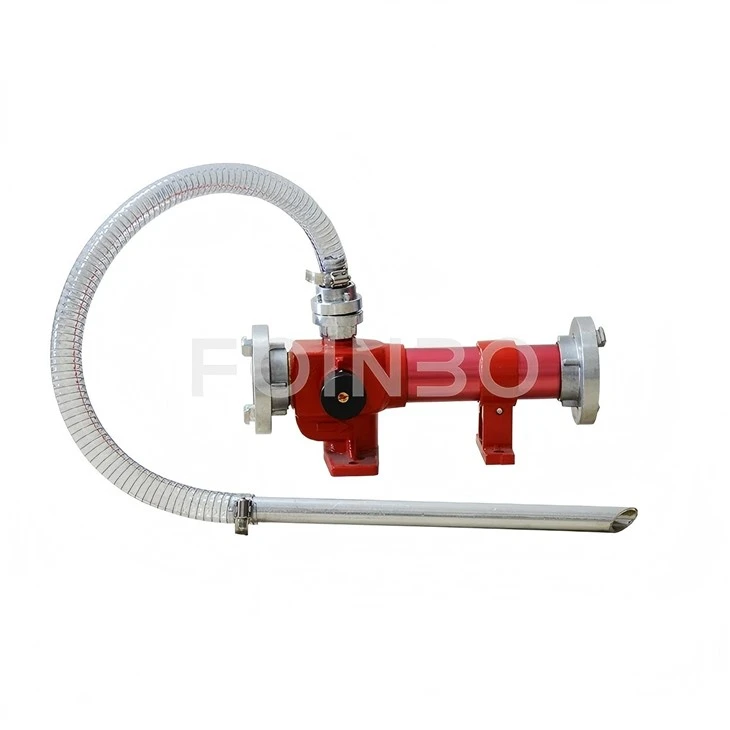

So, can a foam inductor be used in a power factor correction circuit? Well, at first glance, it seems like a bit of a stretch. Foam inductors are designed for a very specific purpose in fire - fighting, and power factor correction circuits have their own set of requirements.
The main function of an inductor in a power factor correction circuit is to store and release energy in the form of a magnetic field. This helps to counteract the reactive power caused by inductive loads in the circuit. Inductors used in power factor correction need to have specific electrical properties, such as a well - defined inductance value, low resistance, and good thermal stability.
Foam inductors, on the other hand, are optimized for fluid dynamics and the mixing of foam concentrate with water. Their design focuses on creating the right conditions for foam generation, like proper flow rates and pressure differentials. They are not built with the electrical characteristics required for power factor correction.
For example, the materials used in foam inductors are selected based on their ability to withstand the corrosive effects of foam concentrate and water. These materials may not have the electrical conductivity or magnetic properties needed for an inductor in a power factor correction circuit. Also, the physical size and shape of foam inductors are designed to fit into fire - fighting systems, which may not be suitable for the layout of a power factor correction circuit.
Another important aspect is the operating environment. Power factor correction circuits are usually installed in electrical panels or equipment rooms, where the conditions are relatively stable in terms of temperature, humidity, and the absence of corrosive substances. Foam inductors, however, are exposed to water, foam concentrate, and sometimes harsh outdoor conditions. Using a foam inductor in a power factor correction circuit could lead to premature failure due to environmental factors.
However, it's not completely impossible to use a foam inductor in a power factor correction circuit in theory. If we were to modify a foam inductor to have the right electrical properties, it might work. But this would involve a significant amount of engineering and re - design. We would need to change the materials, adjust the winding configuration, and ensure that the inductor meets the electrical standards for power factor correction.
The cost of such a modification would likely be very high. It would be much more cost - effective to use an inductor that is specifically designed for power factor correction. These inductors are mass - produced with the right electrical characteristics, and they are readily available in the market.
In conclusion, while it's an interesting idea to use a foam inductor in a power factor correction circuit, it's not a practical solution in most cases. Foam inductors are great for what they are designed for - fire - fighting, and power factor correction circuits require inductors with specific electrical properties.
If you're in the market for high - quality foam inductors for your fire - fighting needs, we've got you covered. We're a reliable supplier with a wide range of foam inductors to choose from. Whether you need an inline foam eductor, portable inline foam inductors, or a portable foam eductor, we can provide you with the right product. Our foam inductors are built to last, ensuring reliable performance when you need it most.
If you're interested in learning more about our foam inductors or want to discuss your specific requirements, don't hesitate to reach out. We're always happy to have a chat and help you find the best solution for your fire - fighting system.
References
- Electrical Engineering textbooks on power factor correction
- Fire - fighting equipment manuals on foam inductors