

As a landing valve supplier, I often get asked whether a landing valve can be used in a low-pressure water supply system. It's a question that comes up quite a bit, and it's an important one to address. In this blog post, I'll dive into this topic, sharing my insights based on years of experience in the industry.
First off, let's understand what a landing valve is. A landing valve is a crucial component in a fire protection system. It's typically installed on the riser pipes in multi - story buildings, allowing firefighters to connect hoses and access water quickly during a fire emergency. There are different types of landing valves, like the Coupling Landing Valve and the Fire Hydrant Landing Valve. These valves are designed to control the flow of water and ensure that it can be directed where it's needed most.
Now, let's talk about low - pressure water supply systems. A low - pressure water supply system is one where the water pressure is relatively low. This could be due to various reasons, such as the distance from the water source, the elevation of the building, or limitations in the water distribution infrastructure. In a low - pressure system, getting enough water to the upper floors of a building can be a challenge.
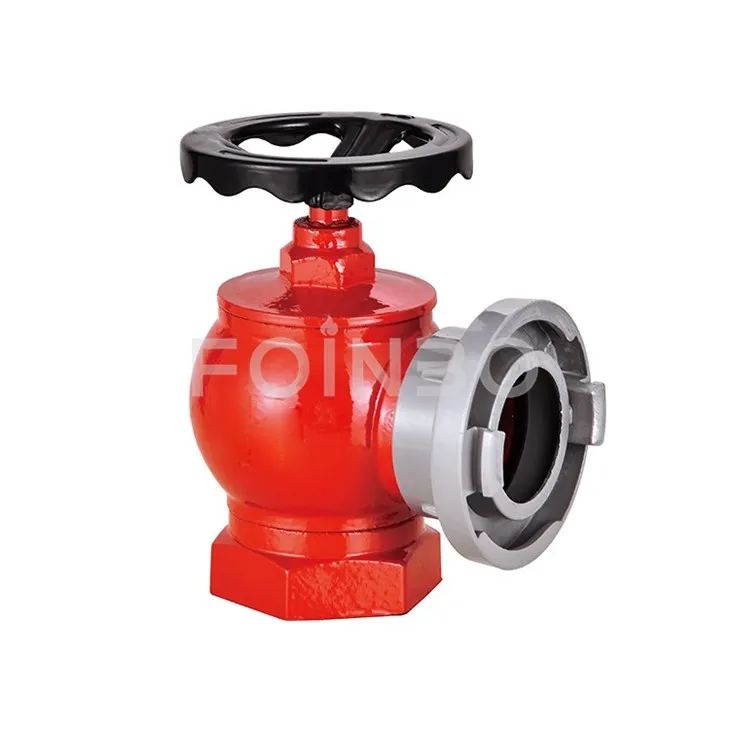

So, can a landing valve be used in a low - pressure water supply system? The short answer is yes, but with some considerations.
Compatibility with Low - Pressure Systems
Landing valves are generally designed to work within a certain range of pressures. Most standard landing valves can handle a wide range of pressures, including relatively low ones. However, the performance of the valve might be affected. For example, if the pressure is too low, the flow rate of water through the valve might be reduced. This means that it could take longer to get an adequate amount of water to the fire, which is obviously not ideal in an emergency situation.
Advantages of Using Landing Valves in Low - Pressure Systems
Despite the potential challenges, there are several advantages to using landing valves in low - pressure water supply systems.
Control and Direction
One of the main advantages is the control they provide. Landing valves allow firefighters to precisely control the flow and direction of water. Even in a low - pressure system, this control can be crucial. They can open or close the valve as needed, and adjust the flow to different hoses. This is especially important in a fire situation, where you need to be able to direct water exactly where the fire is.
Flexibility
Landing valves offer flexibility in terms of hose connections. Multiple hoses can be connected to the valve, allowing for different firefighting strategies. In a low - pressure system, this can be useful as firefighters can try different combinations of hoses to optimize the flow of water. For example, they might use smaller - diameter hoses to increase the pressure at the nozzle, or they could connect multiple hoses in parallel to increase the overall flow rate.
Challenges and Solutions
Flow Rate Issues
As mentioned earlier, the main challenge in a low - pressure system is ensuring an adequate flow rate. To address this, some landing valves are designed with features to improve flow at low pressures. For example, some valves have larger openings or special internal designs that can help increase the flow rate even when the pressure is low.
Another solution is to use booster pumps. Booster pumps can be installed in the water supply system to increase the pressure. These pumps can be located at the source of the water or at strategic points in the building. When used in conjunction with landing valves, booster pumps can significantly improve the performance of the firefighting system in a low - pressure environment.
Pressure Boosting
In some cases, it might be necessary to install a pressure - boosting system specifically for the landing valves. This could involve a dedicated pump system that is activated when the landing valve is opened. The pump can then increase the pressure of the water flowing through the valve, ensuring that an adequate amount of water reaches the fire.
Types of Landing Valves for Low - Pressure Systems
There are different types of landing valves that are better suited for low - pressure water supply systems. The Fire Hydrant Landing Valves are often a good choice. These valves are designed to be robust and reliable, and they can handle a variety of pressure conditions. They are also easy to operate, which is important in an emergency situation.
Installation and Maintenance in Low - Pressure Systems
When installing landing valves in a low - pressure water supply system, it's important to pay attention to a few key factors.
Proper Sizing
The size of the landing valve is crucial. It needs to be properly sized based on the expected flow rate and pressure of the system. A valve that is too small might restrict the flow, while a valve that is too large might not provide the necessary control.
Location
The location of the landing valve is also important. It should be installed in a place where it's easily accessible to firefighters. In a low - pressure system, it's also important to consider the elevation and the distance from the water source. For example, placing the valve closer to the water source or at a lower elevation can help improve the pressure.
Maintenance
Regular maintenance is essential for landing valves in any system, but it's especially important in a low - pressure system. The valve should be inspected regularly to ensure that it's working properly. This includes checking for leaks, ensuring that the valve can open and close smoothly, and testing the flow rate.
Real - World Examples
Let's look at some real - world examples of landing valves being used in low - pressure water supply systems. In some older buildings in urban areas, the water pressure is often low due to the age of the water distribution infrastructure. These buildings still rely on landing valves for fire protection. Fire departments in these areas have developed strategies to deal with the low - pressure situation. For example, they might use portable booster pumps at the building site to increase the pressure when needed.
In rural areas, where the water supply might be limited and the pressure is low, landing valves are also used. In these cases, the fire departments might work closely with the local water authorities to ensure that the water supply is optimized. They might also train their firefighters on the best practices for using landing valves in low - pressure environments.
Conclusion
In conclusion, landing valves can be used in low - pressure water supply systems, but it's important to be aware of the potential challenges and take appropriate measures to address them. With the right design, installation, and maintenance, landing valves can provide effective fire protection even in low - pressure situations.
If you're in the market for landing valves for your low - pressure water supply system, or if you have any questions about how they can work in your specific situation, I'd love to hear from you. We, as a landing valve supplier, have a wide range of Fire Hydrant Landing Valves that are suitable for different pressure conditions. Contact us to start a discussion about your requirements and find the best solution for your fire protection needs.
References
- NFPA 14: Standard for the Installation of Standpipe and Hose Systems
- Fire Protection Handbook, National Fire Protection Association
- Manufacturer's specifications for landing valves