

In the realm of fire safety, fire sprinkler systems stand as one of the most effective and reliable defenses against the devastating impact of fires. As a seasoned fire sprinkler supplier, I've engaged in numerous discussions with clients, architects, and building owners regarding the necessity of a dedicated water storage tank for these systems. This blog post aims to delve into this topic, exploring the factors that influence the decision and providing insights based on industry knowledge and experience.
Understanding Fire Sprinkler Systems
Before we tackle the question of dedicated water storage tanks, it's essential to understand how fire sprinkler systems function. These systems are designed to detect and suppress fires automatically. When a fire breaks out, the heat from the flames activates the sprinkler heads, releasing water onto the affected area. The goal is to control the fire, prevent its spread, and provide valuable time for occupants to evacuate safely.

There are different types of fire sprinkler systems, including wet pipe, dry pipe, pre - action, and deluge systems. Each type has its own characteristics and is suitable for specific environments. For instance, wet pipe systems are the most common and are used in areas where freezing is not a concern, while dry pipe systems are ideal for unheated spaces.
The Role of Water in Fire Sprinkler Systems
Water is the primary extinguishing agent in most fire sprinkler systems. It cools the fire, reduces the oxygen concentration, and suppresses the release of flammable vapors. The effectiveness of a fire sprinkler system largely depends on the availability of an adequate water supply. The water must be delivered at the right pressure and flow rate to ensure that the sprinkler heads can distribute it effectively over the protected area.
When a Dedicated Water Storage Tank is Necessary
Unreliable Municipal Water Supply
In some areas, the municipal water supply may be unreliable. This could be due to aging infrastructure, low water pressure, or a high demand during peak usage times. In such cases, a dedicated water storage tank can serve as a backup water source. For example, in older urban areas where the water pipes are corroded or undersized, the water pressure may not be sufficient to operate the fire sprinkler system effectively. A storage tank can store a sufficient volume of water to ensure that the system can function properly during a fire.
Remote Locations
Buildings located in remote areas may not have access to a reliable municipal water supply. This includes industrial facilities, warehouses, and residential properties in rural areas. In these situations, a dedicated water storage tank becomes essential. The tank can be filled from other sources such as wells, rivers, or lakes, and it can provide the necessary water for the fire sprinkler system.
High - Rise Buildings
High - rise buildings present unique challenges when it comes to fire protection. The water pressure required to supply the sprinkler systems on the upper floors can be extremely high. In some cases, the municipal water supply may not be able to provide the necessary pressure. A dedicated water storage tank, combined with a booster pump system, can ensure that the water is delivered at the right pressure to all levels of the building.
Advantages of a Dedicated Water Storage Tank
Independence
One of the main advantages of having a dedicated water storage tank is independence from the municipal water supply. This means that the fire sprinkler system can operate even if there is a disruption in the municipal water service. For critical facilities such as hospitals, data centers, and power plants, this independence is crucial to ensure continuous fire protection.
Customization
A dedicated water storage tank allows for customization of the water supply for the fire sprinkler system. The size of the tank can be designed based on the specific requirements of the building, including the size of the protected area, the type of occupancy, and the fire hazard level. This ensures that there is always an adequate supply of water available to suppress a fire.
Disadvantages of a Dedicated Water Storage Tank
Cost
The installation and maintenance of a dedicated water storage tank can be expensive. The tank itself can be costly, especially if it needs to be large enough to meet the fire protection requirements. In addition, there are costs associated with the installation of the tank, including excavation, piping, and pumps. Maintenance costs also include regular inspections, water treatment, and repairs.
Space Requirements
A dedicated water storage tank requires a significant amount of space. This can be a challenge, especially in urban areas where land is scarce. The tank may need to be installed underground or in a separate building, which adds to the overall cost and complexity of the project.
Alternatives to Dedicated Water Storage Tanks
Connection to Multiple Water Sources
In some cases, it may be possible to connect the fire sprinkler system to multiple water sources. This could include a combination of the municipal water supply and a private well or a nearby river. By diversifying the water sources, the reliability of the water supply can be improved without the need for a dedicated storage tank.
Use of Fire Pumps
Fire pumps can be used to boost the water pressure from the municipal water supply. This can be an effective solution for buildings that require a higher water pressure than the municipal supply can provide. Fire pumps can be powered by electricity, diesel, or steam, and they can be installed in a relatively small space compared to a water storage tank.
Our Products and Solutions
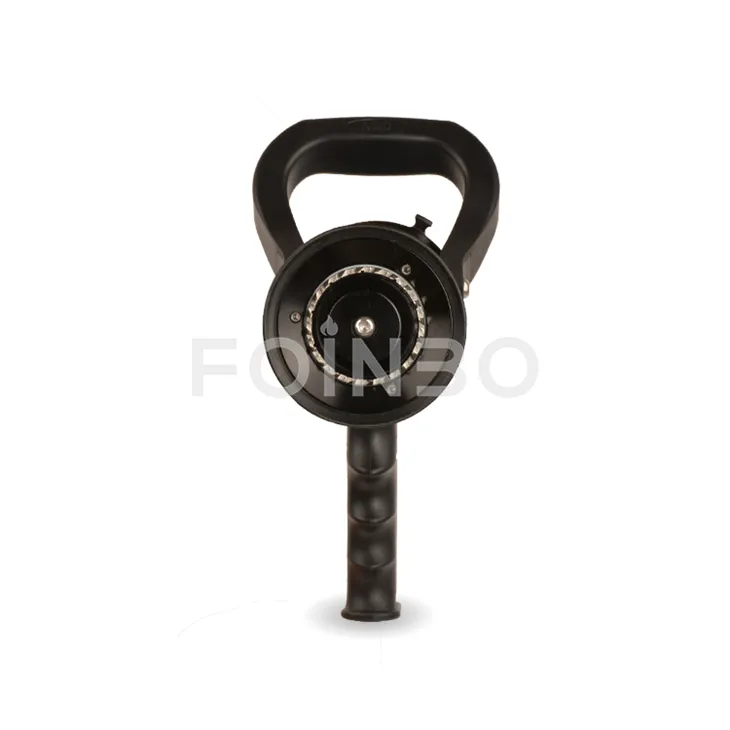
As a fire sprinkler supplier, we offer a wide range of products to meet the diverse needs of our clients. Our product portfolio includes high - quality Fire Fighting Nozzle, which are designed to provide efficient water distribution during a fire. We also supply 6 Inch Silent Check Valve, which helps to prevent backflow and ensure the proper functioning of the fire sprinkler system. In addition, our Water Fog Cannon is a powerful tool for fire suppression in large areas.
Conclusion
The decision of whether a fire sprinkler system needs a dedicated water storage tank depends on a variety of factors, including the reliability of the municipal water supply, the location of the building, and the specific fire protection requirements. While a dedicated water storage tank offers many advantages, such as independence and customization, it also comes with significant costs and space requirements.
Before making a decision, it's important to conduct a thorough assessment of the building's needs and consult with a fire protection engineer. As a fire sprinkler supplier, we are committed to providing our clients with the best solutions for their fire protection needs. If you are considering a fire sprinkler system for your building, we invite you to contact us to discuss your options and explore the most suitable solutions. Our team of experts is ready to assist you in making an informed decision and ensuring the safety of your property and its occupants.
References
- National Fire Protection Association (NFPA). NFPA 13: Standard for the Installation of Sprinkler Systems.
- International Building Code (IBC). Fire Protection Requirements.
- Society of Fire Protection Engineers (SFPE). Handbook of Fire Protection Engineering.