

As a supplier of foam inductors, I've witnessed firsthand the critical role these components play in various circuits, especially in firefighting systems. In this blog, I'll delve into how foam inductors interact with other components in a circuit, exploring the technical details and practical implications.
Understanding the Foam Inductor
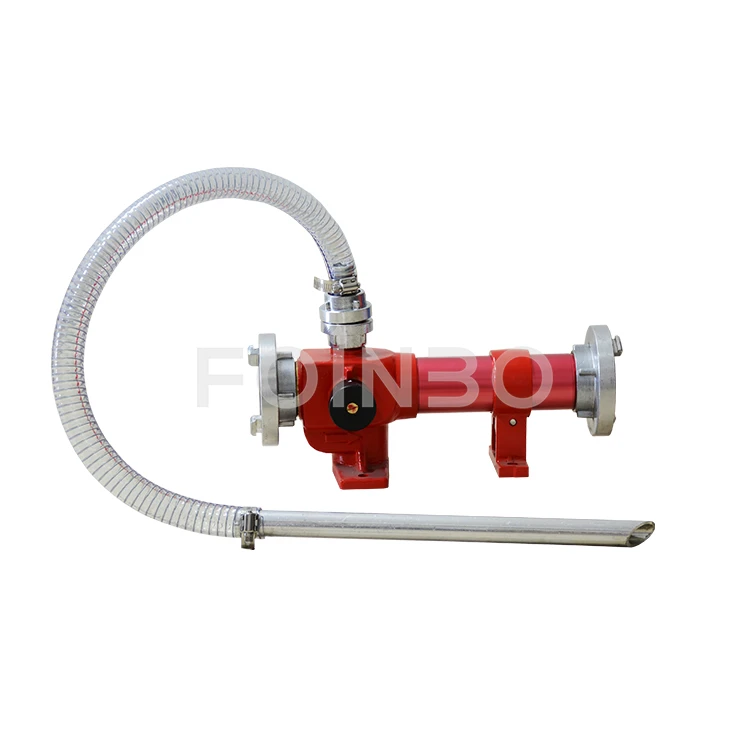
Before we discuss its interactions, let's briefly understand what a foam inductor is. A foam inductor is a device used to introduce foam concentrate into a water stream, creating a foam solution that is essential for firefighting. It operates based on the principle of the Venturi effect, where a constriction in the water flow creates a low - pressure area, allowing the foam concentrate to be drawn into the water stream.
There are different types of foam inductors, such as the Suction Foam Inductor and the Firefighter Foam Inductor. Each type has its own unique design and application scenarios, but they all share the common goal of effectively mixing foam concentrate with water.
Interaction with Water Supply Components
The first and most obvious interaction is with the water supply components. A foam inductor is directly connected to the water source, which could be a fire hydrant, a water tank, or a pump. The water flow rate and pressure from the supply are crucial factors that affect the performance of the foam inductor.
If the water pressure is too low, the Venturi effect may not be strong enough to draw in the foam concentrate effectively. On the other hand, if the pressure is too high, it can cause excessive turbulence in the mixing chamber, leading to an uneven mixture of foam and water. Therefore, a pressure - regulating valve is often used in the water supply line to ensure that the water pressure entering the foam inductor is within the optimal range.
For example, in a large - scale industrial firefighting system, a high - capacity water pump is used to supply water to multiple foam inductors. The pump needs to be carefully calibrated to provide a stable water flow and pressure to each inductor. Additionally, flow meters are installed in the water supply lines to monitor the flow rate and make adjustments as needed.
Interaction with Foam Concentrate Storage and Delivery
The foam inductor also interacts closely with the foam concentrate storage and delivery system. The foam concentrate is typically stored in a tank, and a suction line connects the tank to the foam inductor.
The design of the suction line is important to ensure a smooth flow of the foam concentrate. It should be of an appropriate diameter to minimize friction losses and prevent air from entering the line. A check valve is often installed in the suction line to prevent backflow of the foam - water mixture into the concentrate tank.
Moreover, the foam concentrate tank may be equipped with a level sensor to monitor the amount of concentrate remaining. This information is crucial for ensuring that there is enough foam concentrate available during a firefighting operation. If the level of the concentrate is low, an alarm can be triggered, and the tank can be refilled in a timely manner.
Interaction with Distribution and Discharge Components
Once the foam - water mixture is created in the foam inductor, it needs to be distributed to the appropriate discharge points, such as sprinklers or nozzles. The distribution system consists of pipes, valves, and fittings that carry the foam - water mixture from the inductor to the discharge points.
The size and layout of the distribution pipes are designed based on the flow rate and pressure requirements of the system. Larger pipes are used for higher flow rates, and the pipes are arranged in a way that minimizes pressure losses. Valves are used to control the flow of the foam - water mixture to different areas of the protected space.
At the discharge points, the design of the sprinklers or nozzles is critical for creating an effective foam blanket. The type of nozzle, its spray pattern, and the operating pressure all affect the quality and coverage of the foam. For example, in a warehouse fire protection system, different types of nozzles may be used in different areas depending on the type of goods stored and the potential fire hazards.
Interaction with Control and Monitoring Systems
In modern firefighting systems, foam inductors are integrated with control and monitoring systems. These systems are used to automate the operation of the foam inductor and ensure its proper functioning.
A control panel is used to set the operating parameters of the foam inductor, such as the foam - water ratio and the water flow rate. The control panel can also receive feedback from sensors installed in the system, such as pressure sensors, flow meters, and level sensors. Based on this feedback, the control panel can make real - time adjustments to the operation of the foam inductor and other components.
For example, if the pressure sensor in the water supply line detects a drop in pressure, the control panel can adjust the speed of the water pump or open a bypass valve to maintain the required pressure. Monitoring systems can also record the operating data of the foam inductor and other components, which can be used for maintenance and performance evaluation.
Impact on System Performance and Safety
The proper interaction of the foam inductor with other components is essential for the overall performance and safety of the firefighting system. A well - designed and properly functioning system can quickly and effectively suppress fires, reducing property damage and protecting lives.

If there are any issues with the interaction between the foam inductor and other components, it can lead to a variety of problems. For example, if the foam - water mixture is not properly mixed, the foam may not have the desired extinguishing properties. This can result in a longer fire - fighting time and increased damage to the protected area.
In addition, safety is a major concern in firefighting systems. Faulty interactions between components can lead to leaks, over - pressurization, or other hazardous conditions. Therefore, regular maintenance and testing of the system are necessary to ensure that all components are working together correctly.
Conclusion
In conclusion, the foam inductor is a key component in a firefighting circuit that interacts with multiple other components. Its interaction with water supply, foam concentrate storage and delivery, distribution and discharge, and control and monitoring systems is crucial for the effective operation of the entire system.
As a foam inductor supplier, we understand the importance of these interactions and strive to provide high - quality products that are designed to work seamlessly with other components. Our foam inductors are engineered to meet the strictest industry standards and are backed by our technical support team.
If you are in the market for a reliable foam inductor or need to upgrade your existing firefighting system, we invite you to contact us for a detailed discussion. Our experts can help you select the right foam inductor and design a system that meets your specific requirements. Whether it's a small - scale commercial building or a large - scale industrial facility, we have the solutions to ensure your fire protection needs are met.
References
- NFPA 11: Standard for Low -, Medium -, and High - Expansion Foam
- FM Global Data Sheets on Fire Protection Systems
- UL Standards for Firefighting Equipment