

How to Select the Right Foam Inductor for a Specific Project
Foam inductors play a critical role in firefighting and other foam - based applications. As a foam inductor supplier, I understand the importance of choosing the correct foam inductor for a particular project. Making the right selection ensures optimal performance, safety, and cost - effectiveness. In this blog post, I will guide you through the process of selecting the ideal foam inductor for your specific needs.
Understanding Foam Inductors
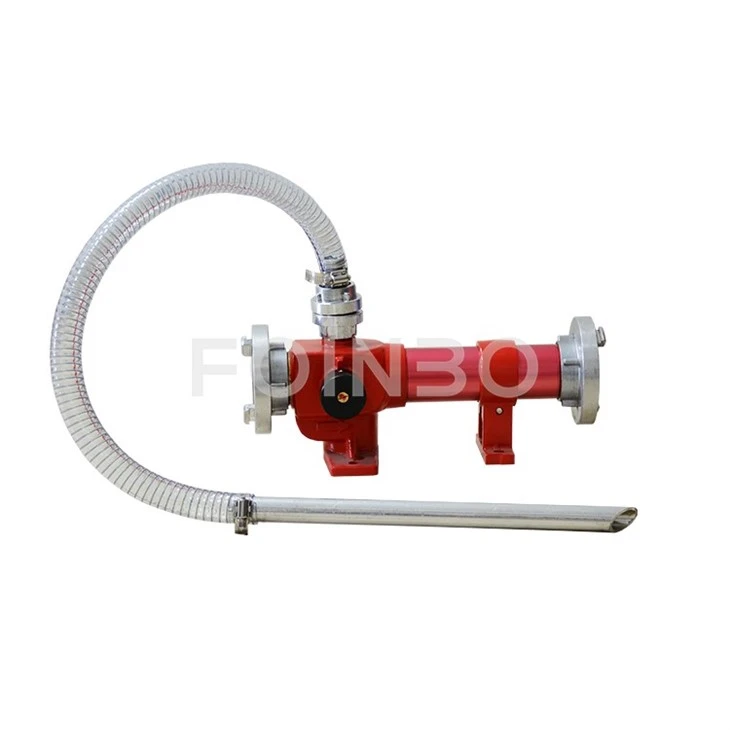
Before delving into the selection process, it's essential to understand what foam inductors are and how they work. A foam inductor is a device that introduces a foam concentrate into a water stream to create a foam solution. This foam solution is then used for firefighting, spill control, and other applications where foam is required.
There are different types of foam inductors available in the market, each with its own set of characteristics and applications. For example, Firefighter Foam Inductor is specifically designed for use by firefighters in various fire - fighting scenarios. These inductors are built to be durable, easy to operate, and reliable in high - stress situations.
On the other hand, Portable Inline Foam Inductors are lightweight and easy to carry, making them ideal for on - the - go applications. They can be quickly deployed at different locations, which is useful for emergency response teams.

Key Factors to Consider When Selecting a Foam Inductor
1. Application Requirements
The first step in selecting the right foam inductor is to clearly define the application requirements. Different projects have different needs. For instance, in a large - scale industrial fire, a high - capacity foam inductor may be required to generate a significant amount of foam quickly. In contrast, for small - scale fires in commercial buildings, a smaller and more portable inductor may suffice.
If the project involves spill control of flammable liquids, the foam inductor should be capable of producing a high - quality foam that can effectively cover and suppress the spill. The type of foam concentrate used also depends on the application. Some applications may require protein - based foams, while others may need synthetic or fluorinated foams.
2. Flow Rate
The flow rate is a crucial factor in determining the appropriate foam inductor. The flow rate of the water source and the desired flow rate of the foam solution need to be considered. A foam inductor must be able to handle the water flow rate without causing excessive pressure drops.
If the flow rate is too high for the inductor, it may not be able to introduce the foam concentrate accurately, resulting in an ineffective foam solution. Conversely, if the flow rate is too low, the inductor may not function properly. It's important to match the inductor's flow rate capabilities with the requirements of the project.
3. Induction Ratio
The induction ratio refers to the proportion of foam concentrate to water in the foam solution. Different applications require different induction ratios. For example, in some Class A fires (ordinary combustibles), a lower induction ratio may be sufficient, while in Class B fires (flammable liquids), a higher induction ratio may be needed for better suppression.
The foam inductor should be able to achieve the desired induction ratio accurately. Some inductors offer adjustable induction ratios, which provide more flexibility for different projects.
4. Compatibility
Compatibility is another important consideration. The foam inductor must be compatible with the water source, foam concentrate, and other components of the foam system. For example, if the water source has a high level of impurities, the inductor may need to be designed to handle such conditions without clogging.
The foam concentrate used should also be compatible with the inductor. Some inductors are specifically designed to work with certain types of foam concentrates, and using an incompatible concentrate can lead to poor performance or damage to the inductor.
5. Durability and Reliability
In any project, durability and reliability are key. A foam inductor may need to withstand harsh environmental conditions, including extreme temperatures, humidity, and exposure to chemicals. It should be made of high - quality materials that can resist corrosion and wear.
Reliability is also crucial, especially in emergency situations. A malfunctioning inductor can lead to ineffective foam generation and put lives and property at risk. Therefore, it's important to choose a foam inductor from a reputable supplier with a proven track record of providing reliable products.
Evaluating Different Foam Inductors
1. Product Specifications
When evaluating different foam inductors, carefully review their product specifications. Look for information on the flow rate, induction ratio, pressure requirements, and compatibility. These specifications will help you determine if the inductor meets the requirements of your project.
2. User Reviews and Feedback
Another valuable source of information is user reviews and feedback. Look for reviews from other customers who have used the foam inductors in similar projects. Their experiences can provide insights into the performance, reliability, and ease of use of the inductors.
3. Manufacturer Support
Choose a manufacturer that offers good customer support. This includes technical assistance, installation guidance, and after - sales service. A manufacturer with a responsive support team can help you troubleshoot any issues that may arise during the installation or operation of the foam inductor.
Conclusion
Selecting the right foam inductor for a specific project is a complex process that requires careful consideration of multiple factors. By understanding the application requirements, flow rate, induction ratio, compatibility, and durability, you can make an informed decision.
As a foam inductor supplier, I am committed to providing high - quality products and expert advice to help you choose the right foam inductor for your project. If you have any questions or need further assistance in selecting a foam inductor, please feel free to reach out. Whether you are looking for a Firefighter Foam Inductor, Portable Inline Foam Inductors, or Fire Foam Inductor, we have the expertise and products to meet your needs. Contact us today to discuss your project requirements and start the procurement process.
References
- NFPA 11: Standard for Low -, Medium -, and High - Expansion Foam.
- UL 162: Standard for Foam - producing Equipment for Flammable Liquid Storage Tanks.
- FM Global Data Sheets related to foam inductor installations and applications.