

Hey there! As a supplier of breeching inlets, I've seen firsthand how crucial these devices are in fire emergencies. In this blog post, I'm gonna share some of the best practices for using a breeching inlet when the heat's on.
Understanding the Breeching Inlet
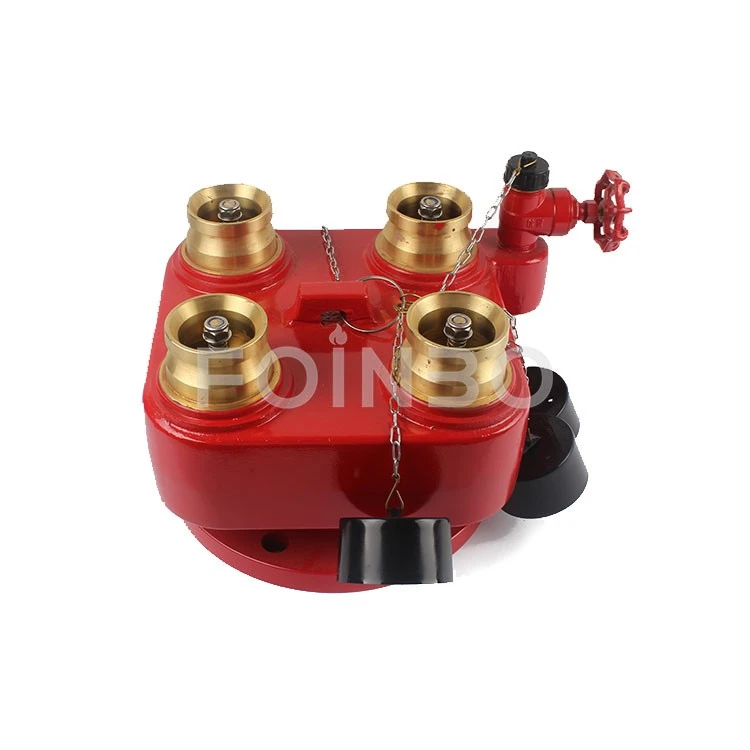
First things first, let's talk about what a breeching inlet is. It's a key part of a building's fire - protection system. It provides a connection point for firefighters to pump water into the building's standpipe system. This allows them to quickly get water to the upper floors or hard - to - reach areas during a fire.
There are different types of breeching inlets available. For example, the 4 Way Breeching Inlet offers multiple connection points, which can be really handy when you need to supply water from different sources or to different parts of the standpipe system. The 2 Way Inlet Breeching Valve and 2 Way Breeching Inlet Valve are also popular choices, providing a more streamlined option for simpler setups.
Pre - Emergency Preparation
Before a fire even breaks out, there are some important steps to take. First, make sure the breeching inlet is properly installed. It should be located in an easily accessible area, preferably near a street or a fire truck access point. The inlet should be clearly marked with signs so that firefighters can quickly find it in the chaos of an emergency.
Regular maintenance is also a must. Check the breeching inlet for any signs of damage, like cracks or leaks. Make sure the valves are working smoothly and that the caps are in good condition. A damaged or malfunctioning breeching inlet can seriously slow down the firefighting process.
It's also a good idea to have a plan in place. Train building staff on the location and function of the breeching inlet. They should know how to assist firefighters if needed, like providing access to the area or helping with the connection.
During the Fire Emergency
When a fire breaks out, time is of the essence. Firefighters should approach the breeching inlet with caution. First, they need to confirm that they have the right type of hoses and fittings to connect to the inlet. Using the wrong equipment can lead to leaks or a poor connection, which can waste precious time and water.
Once the connection is made, the firefighters need to open the valves carefully. Sudden opening of the valves can cause water hammer, which is a shock wave in the pipes that can damage the standpipe system. They should open the valves slowly to allow the water to flow smoothly.
It's important to monitor the water pressure. Too much pressure can damage the pipes, while too little pressure won't be effective in putting out the fire. Firefighters should work closely with the pump operators to adjust the pressure as needed.
If there are multiple breeching inlets in a building, firefighters need to coordinate their efforts. They should decide which inlets to use based on the location of the fire and the layout of the standpipe system. This can ensure that water is distributed efficiently throughout the building.

Post - Emergency Procedures
After the fire is out, there are still some important steps to take. First, the breeching inlet should be inspected again. Check for any damage that may have occurred during the firefighting process. If there are any issues, they should be repaired as soon as possible.
The hoses and fittings should be disconnected carefully. They need to be drained, cleaned, and stored properly for future use. This helps to prevent corrosion and damage to the equipment.
It's also a good time to review the performance of the breeching inlet during the emergency. Were there any problems? Could the response have been improved? This feedback can be used to make changes to the fire - protection plan and to improve the overall preparedness for future emergencies.
Training and Education
Proper training is essential for both firefighters and building staff. Firefighters should be trained on the different types of breeching inlets and how to connect to them quickly and safely. They should also be familiar with the potential problems that can occur and how to troubleshoot them.
Building staff should receive basic training on the location and function of the breeching inlet. They should know what to do in case of a fire and how to assist the firefighters. This can make a big difference in the effectiveness of the firefighting efforts.
Conclusion
Using a breeching inlet effectively in a fire emergency requires a combination of pre - emergency preparation, proper procedures during the emergency, and post - emergency follow - up. By following these best practices, we can ensure that the breeching inlet does its job in protecting lives and property.
If you're interested in learning more about our breeching inlets or if you're looking to purchase them for your building, don't hesitate to get in touch. We're here to help you make the right choice and to ensure that your fire - protection system is up to par.
References
- NFPA 14: Standard for the Installation of Standpipe and Hose Systems
- Fire Department Training Manuals
- Industry Best Practices Guides for Fire Protection Equipment