

As a reputable supplier of foam chambers, I understand the critical role these systems play in fire protection. Foam chambers are essential components in fire suppression systems, particularly in areas where flammable liquids are stored or processed. Proper maintenance is crucial to ensure their reliable operation when needed most. In this blog post, I will discuss the recommended maintenance intervals for foam chambers and why they are so important.
Understanding Foam Chambers
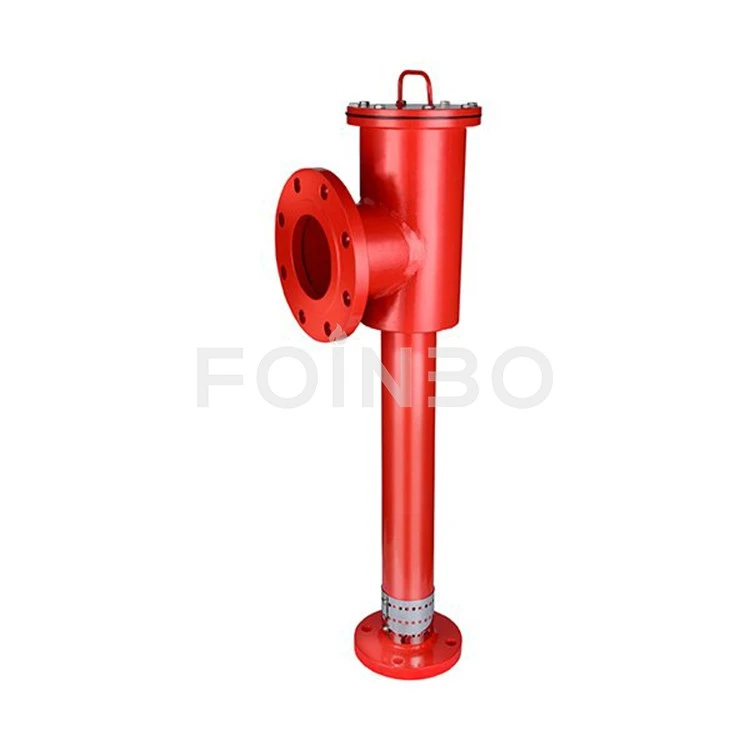
Before delving into maintenance intervals, it's important to understand what foam chambers are and how they work. Foam chambers are devices used in fire protection systems to generate and deliver foam onto a fire. They are typically installed on storage tanks containing flammable liquids, such as gasoline, diesel, and crude oil. When a fire occurs, the foam chamber mixes a foam concentrate with water to create a foam blanket that smothers the fire, preventing oxygen from reaching the fuel and suppressing the flames.
There are several types of foam chambers available, including Foam Chamber Tank, Foam Mixing Chamber, and Air Foam Chamber. Each type has its own unique design and function, but all require regular maintenance to ensure optimal performance.

Importance of Regular Maintenance
Regular maintenance of foam chambers is essential for several reasons. First and foremost, it ensures that the system will operate effectively in the event of a fire. A poorly maintained foam chamber may not generate enough foam or may deliver it unevenly, reducing its ability to suppress the fire. This can result in significant damage to property and potentially endanger lives.
Secondly, regular maintenance helps to identify and address any potential issues before they become major problems. By conducting routine inspections and tests, maintenance personnel can detect signs of wear, corrosion, or damage to the foam chamber and its components. This allows for timely repairs or replacements, preventing costly breakdowns and downtime.

Finally, regular maintenance is required by most fire codes and regulations. Failure to comply with these requirements can result in fines, penalties, and even legal liability in the event of a fire. By following the recommended maintenance intervals, you can ensure that your foam chamber system is in compliance with all applicable codes and standards.
Recommended Maintenance Intervals
The maintenance intervals for foam chambers can vary depending on several factors, including the type of foam chamber, the environment in which it is installed, and the frequency of use. However, the following are general guidelines for the recommended maintenance intervals:

Weekly Inspections
- Visual Inspection: Conduct a visual inspection of the foam chamber and its components to check for any signs of damage, wear, or corrosion. Look for leaks, cracks, loose connections, or any other visible defects.
- Check Foam Concentrate Level: Check the level of foam concentrate in the storage tank to ensure that it is within the recommended range. If the level is low, add more foam concentrate as needed.
- Verify Water Supply: Check the water supply to the foam chamber to ensure that it is adequate and that the pressure is within the recommended range. Make sure that all valves are open and that there are no blockages in the piping.
Monthly Inspections
- Functional Test: Conduct a functional test of the foam chamber to ensure that it is operating properly. This can be done by activating the system and observing the foam output. Make sure that the foam is being generated and delivered evenly and that it is covering the surface of the fuel.
- Check Foam Quality: Collect a sample of the foam and test its quality to ensure that it meets the manufacturer's specifications. This can be done using a foam quality test kit, which measures the foam's expansion ratio, drainage time, and other properties.
- Inspect Foam Discharge Nozzles: Inspect the foam discharge nozzles to ensure that they are clean and free of debris. If necessary, clean the nozzles using a soft brush or compressed air.
Quarterly Inspections
- Lubrication: Lubricate all moving parts of the foam chamber, such as valves, pumps, and motors, to ensure smooth operation. Use a lubricant that is recommended by the manufacturer.
- Check Electrical Components: Inspect the electrical components of the foam chamber, such as wiring, switches, and relays, to ensure that they are in good condition. Look for any signs of damage, corrosion, or loose connections.
- Calibrate Instruments: Calibrate all instruments, such as pressure gauges and flow meters, to ensure accurate readings. This can be done using a calibration kit or by a qualified technician.
Annual Inspections
- Comprehensive Inspection: Conduct a comprehensive inspection of the foam chamber and its components to check for any signs of wear, corrosion, or damage. This may include disassembling the foam chamber and inspecting its internal components.
- Hydrostatic Testing: Conduct a hydrostatic test of the foam chamber and its piping to ensure that they can withstand the required pressure. This can be done using a hydrostatic test pump and a pressure gauge.
- Foam Concentrate Replacement: Replace the foam concentrate in the storage tank at least once a year to ensure its effectiveness. Make sure to use a foam concentrate that is compatible with the type of foam chamber and the fuel being protected.
Additional Maintenance Considerations
In addition to the recommended maintenance intervals, there are several other factors that should be considered when maintaining a foam chamber system:
- Environmental Conditions: The environment in which the foam chamber is installed can have a significant impact on its performance and longevity. For example, exposure to extreme temperatures, humidity, or corrosive chemicals can cause damage to the foam chamber and its components. It is important to take appropriate measures to protect the foam chamber from these environmental factors, such as installing it in a climate-controlled area or using corrosion-resistant materials.
- Frequency of Use: If the foam chamber is used frequently, it may require more frequent maintenance than if it is used only occasionally. This is because frequent use can cause wear and tear on the system, which can lead to premature failure. It is important to monitor the frequency of use and adjust the maintenance intervals accordingly.
- Manufacturer's Recommendations: Always follow the manufacturer's recommendations for maintenance and servicing of the foam chamber. The manufacturer's instructions will provide specific guidelines for the maintenance intervals, procedures, and materials to be used. Failure to follow these recommendations may void the warranty and could result in reduced performance or premature failure of the system.
Conclusion
Proper maintenance of foam chambers is essential to ensure their reliable operation in the event of a fire. By following the recommended maintenance intervals and taking appropriate measures to protect the system from environmental factors, you can extend the lifespan of your foam chamber and ensure that it is always ready to perform when needed.
If you have any questions or concerns about the maintenance of your foam chamber system, or if you are interested in purchasing a new foam chamber, please do not hesitate to contact us. Our team of experts is available to provide you with the information and support you need to make an informed decision. We look forward to the opportunity to work with you and help you protect your property and assets from the devastating effects of fire.
References
- NFPA 11: Standard for Low-, Medium-, and High-Expansion Foam
- ISO 7203: Fire - Protection Equipment - Foam Chambers
- Manufacturer's Manuals and Technical Bulletins