

Foam carts are essential equipment in various industries, especially in fire - fighting and industrial cleaning. As a foam cart supplier, I often get asked about the materials used to make these carts. Understanding the materials is crucial as it determines the cart's durability, performance, and suitability for different applications.
1. Frame Materials
The frame of a foam cart provides the structural support for the entire unit. One of the most commonly used materials for the frame is steel. Steel is known for its high strength and durability. It can withstand heavy loads, making it ideal for supporting the foam tank, pump, and other components of the cart. Galvanized steel is often preferred as it has a protective zinc coating that prevents rust and corrosion, even in harsh environments. For example, in industrial settings where the cart may be exposed to chemicals or moisture, a galvanized steel frame ensures a long service life.
Another material option for the frame is aluminum. Aluminum is lightweight compared to steel, which makes the foam cart easier to maneuver. This is particularly beneficial in situations where the cart needs to be moved frequently, such as in fire - fighting operations where quick deployment is essential. Additionally, aluminum is resistant to corrosion, so it doesn't require the same level of maintenance as steel. However, aluminum frames may have lower load - bearing capacity compared to steel, so they are more suitable for smaller foam carts.
2. Foam Tank Materials
The foam tank is where the foam concentrate is stored. High - density polyethylene (HDPE) is a popular material for foam tanks. HDPE is a thermoplastic polymer that is known for its chemical resistance. It can safely store different types of foam concentrates, including aqueous film - forming foam (AFFF), without reacting with the chemicals. This ensures the integrity of the foam concentrate over time. HDPE tanks are also lightweight, which reduces the overall weight of the foam cart. They are relatively easy to manufacture and can be molded into different shapes and sizes to fit the design of the cart.
Fiberglass is another material used for foam tanks. Fiberglass tanks are strong and durable. They can withstand high pressures and are resistant to impact. This makes them suitable for use in more demanding environments. Fiberglass is also corrosion - resistant, which is important when storing foam concentrates that may be acidic or alkaline. However, fiberglass tanks are generally more expensive than HDPE tanks, and their manufacturing process is more complex.
3. Pump Materials
The pump is responsible for delivering the foam concentrate to the nozzle. Stainless steel is a common material for pump components. Stainless steel is highly resistant to corrosion, which is essential as the pump comes into contact with the foam concentrate, which may contain chemicals. It also has good mechanical properties, allowing it to withstand the pressure and stress generated during operation. The impellers, housings, and shafts of the pump are often made of stainless steel to ensure long - term reliability.
Brass is also used in some pump components, especially for smaller pumps. Brass is a copper - zinc alloy that has good corrosion resistance and is relatively easy to machine. It is often used for fittings and valves in the pump system. However, brass may not be as durable as stainless steel in highly corrosive environments, so its use is more limited.
4. Wheels and Casters
The wheels and casters of a foam cart are important for mobility. Rubber - tired wheels are commonly used as they provide good traction and shock absorption. The rubber material helps to reduce noise during movement and prevents damage to the floor surface. For larger foam carts, pneumatic wheels may be used. Pneumatic wheels are filled with air, which provides additional cushioning and makes it easier to move the cart over uneven surfaces.
The casters are usually made of materials such as steel or aluminum. Steel casters are strong and can support heavy loads, while aluminum casters are lightweight. Some casters are equipped with brakes, which allow the cart to be securely parked in place when needed.
5. Hose and Nozzle Materials
The hose is used to transport the foam from the pump to the nozzle. Rubber hoses are commonly used as they are flexible and can withstand the pressure of the foam flow. They are also resistant to abrasion, which is important as the hose may be dragged along the ground during use. Some hoses are reinforced with synthetic fibers to increase their strength and durability.
The nozzle is made of materials such as brass or plastic. Brass nozzles are durable and can withstand high - pressure foam streams. They are often used in industrial and fire - fighting applications. Plastic nozzles are lightweight and inexpensive, making them suitable for less demanding applications or for use in training scenarios.
Applications and the Importance of Material Selection
The choice of materials for a foam cart depends on its intended application. For example, in fire - fighting applications, the foam cart needs to be able to operate in high - stress situations. A cart with a steel frame, fiberglass foam tank, stainless - steel pump, and high - quality wheels and hoses is more suitable. This ensures that the cart can withstand the rigors of fire - fighting operations and deliver the foam effectively.
In industrial cleaning applications, the foam cart may need to be more lightweight and maneuverable. An aluminum - framed cart with an HDPE foam tank and a brass - component pump may be a better choice. The materials need to be resistant to the chemicals used in the cleaning process to ensure long - term performance.
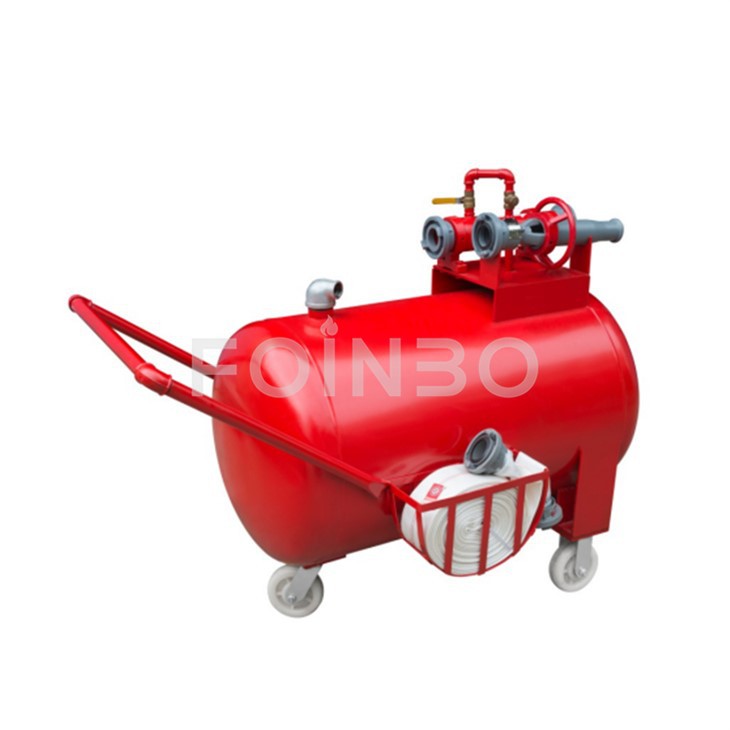
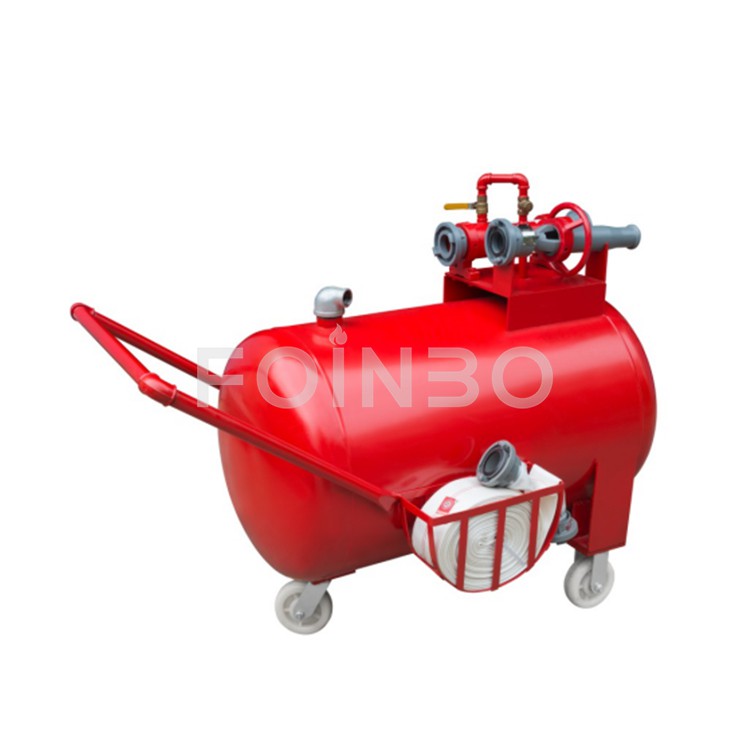
As a foam cart supplier, we offer a variety of foam carts to meet different customer needs. Our Foam Mobile Cart is designed for easy mobility and is suitable for a wide range of applications. The Mobile Foam Cart is another option that provides flexibility in use. For those who require a cart for specific types of foam, such as AFFF, our Afff Foam Cart is the ideal choice.
If you are in the market for a foam cart, understanding the materials used in its construction is essential. It allows you to make an informed decision based on your specific requirements. Whether you need a cart for fire - fighting, industrial cleaning, or other applications, we can provide you with high - quality foam carts that are built to last. We are ready to discuss your needs and provide you with the best solution. Contact us for more information and to start the procurement negotiation process.
References
- "Materials Science and Engineering: An Introduction" by William D. Callister Jr.
- "Fire Protection Handbook" by the National Fire Protection Association.
- Industry reports on foam cart manufacturing and materials usage.