


Production introduction
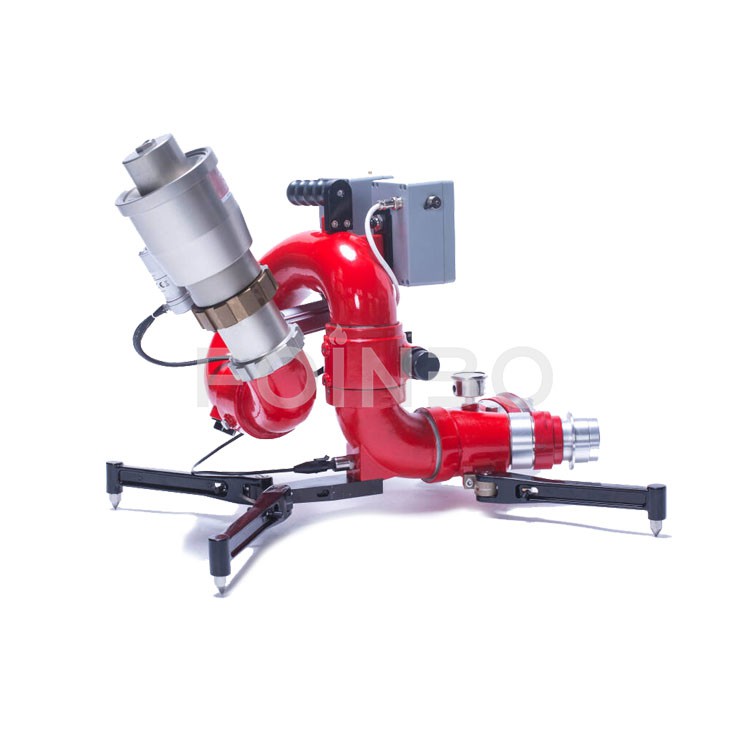
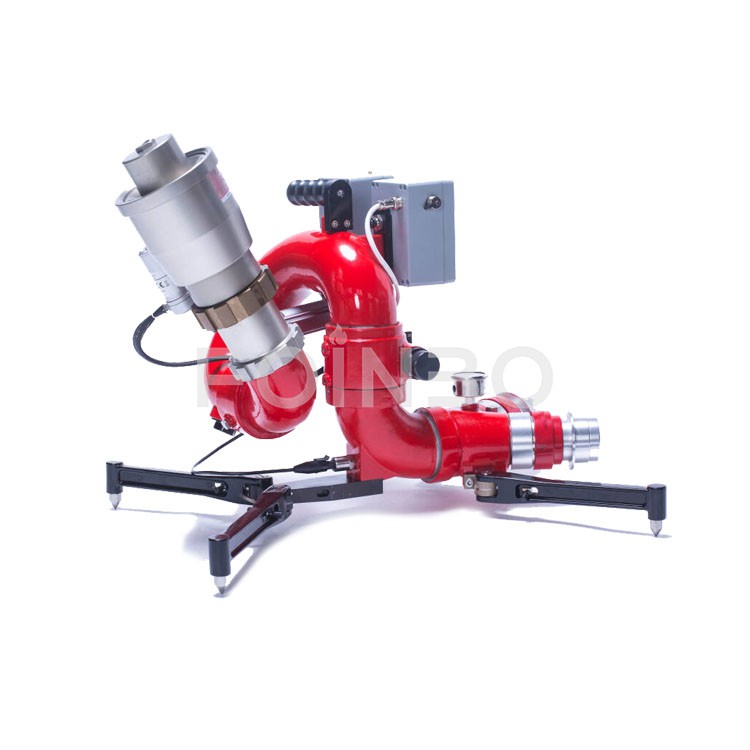
Built with an aluminium alloy body (shielded by red epoxy powder coating) and a hard - anodized aluminium nozzle, the Electrical Ground Fire Monitor balances toughness and portability. Its electric system enables smooth vertical travel adjustments (from - 30° to + 70°) and seamless switching between straight - stream and fog jets. The WMKDY/8/50W model delivers a 3000 L/min flow rate at 8 bar pressure, reaching 65 meters with water and covering 90° with fog - potent enough for large blazes yet precise for spot fires.
A standout trait of the Electrical Ground Fire Monitor is its power flexibility. It runs on rechargeable lithium - ion batteries (lasting up to 8 hours) or external power, ensuring reliability off - grid. The 2″ DN65 inlet links quickly to standard hoses, and its ground - optimized design stabilizes on uneven terrain with minimal setup.
From chemical spills to warehouse fires, the Electrical Ground Fire Monitor delivers consistent, electric - boosted performance. Its remote - controlled precision and portable build make it a must - have for modern firefighting teams, enabling swift, strategic fire suppression in tough environments.
Products Parameters
|
Model Number |
Flow Rate |
W.Pressure |
Water Max.Reach |
Max. Fog Angle |
Inlet Size |
|
WMKDY 8/50W |
3000 L/Min |
8 bar |
65 meters |
90° |
2*DN65 |
Products Description


FAQ
Q: How to test the electrical responsiveness of the Electrical Ground Fire Monitor before use?
A: Power on the unit and use the remote to cycle through all angle settings (-30° to +70°) and jet patterns. Check for lag or stuttering; any delay signals a need for software updates or wiring inspection.
Q: Can the monitor operate while being refueled (for external power models)?
A: No. Disconnect power sources during refueling to avoid electrical sparks. Use a battery backup for temporary operation if continuous power is critical.
Q: What's the protocol for cleaning the nozzle without damaging electric components?
A: Turn off the monitor and disconnect power. Use compressed air to clear debris from the nozzle; for stubborn clogs, soak the nozzle in warm water (not hot) and gently brush - never spray water onto the control box.
Q: How does the monitor handle sudden pressure surges from the water source?
A: It has a built - in pressure relief valve that activates above 10 bar, diverting excess pressure to protect internal components. Regularly test the valve to ensure it functions correctly.
Q: Can the monitor's control system be integrated with building automation platforms?
A: Yes, via MODBUS or BACnet protocols. Work with a systems integrator to configure data sharing, allowing the monitor to sync with fire alarms or building management systems for automated responses.