

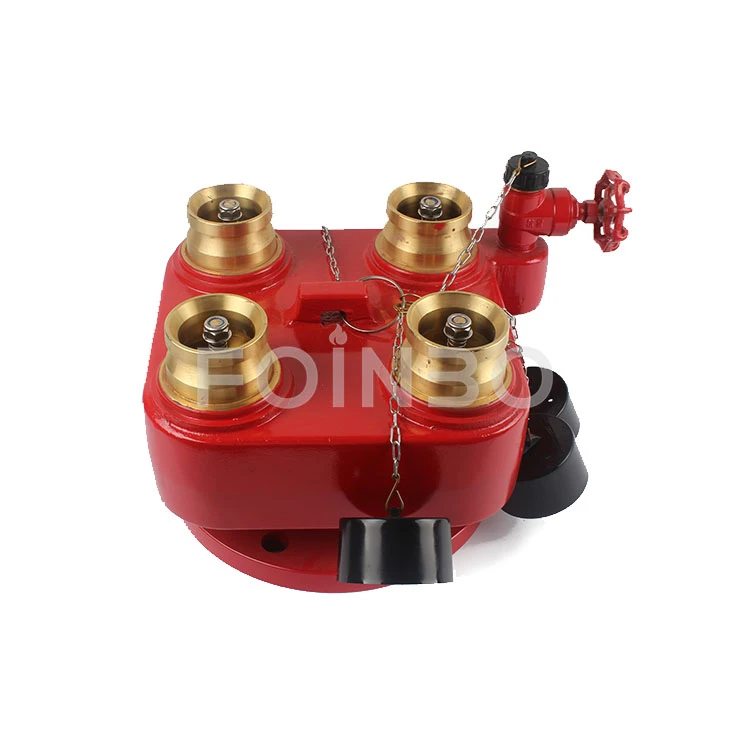
Difference Between Breeching Inlet and Fire hydrant
In the realm of fire protection systems, both breeching inlets and fire hydrants play pivotal roles in ensuring the safety of lives and property during fire emergencies. However, these two components serve distinct functions and are strategically positioned to address different aspects of firefighting operations. This article delves into the differences between breeching inlets and fire hydrants, elucidating their respective roles, designs, and applications
Fire Hydrant
A fire hydrant, also known as a fireplug, is an above-ground or underground device connected to a municipal water supply system. Its primary function is to provide a readily accessible source of water for firefighters to extinguish fires in urban or suburban areas. Fire hydrants are typically located along streets, highways, or within public spaces, and are equipped with outlets compatible with firefighting hoses and adapters. They are designed to deliver high water flow rates, often up to 1,000 gallons per minute, ensuring sufficient water pressure to combat large-scale fires.
Breeching Inlet
A breeching inlet, often referred to as a fire department connection (FDC), is a fixed external fitting installed on the exterior of buildings or in strategic outdoor positions. Its core purpose is to serve as an access point through which firefighters can pump water into a building's internal fire suppression system, such as sprinklers, standpipes, or hydrants. Unlike fire hydrants, which draw water directly from municipal supplies, breeching inlets enable firefighters to supplement or override a building's existing water pressure, particularly in high-rise structures or areas with inadequate mains pressure.
Fire Hydrant
Fire hydrants are robust structures typically made of cast iron or bronze, featuring a main valve, one or two discharge nozzles, and a lower drain valve. Above-ground models are easily identifiable by their bright colors (e.g., red or yellow) and caps that protect the outlets when not in use. Underground hydrants, while less visible, are accessed via a cover and are designed to prevent freezing in cold climates. Their design prioritizes durability and ease of use under high-pressure conditions.
Breeching Inlet
Breeching inlets are engineered to integrate multiple water sources and distribute water to various firefighting appliances. They often feature multiple inlets and outlets, enabling the simultaneous connection of several hoses or equipment. For instance, a two-way breeching inlet has two outlets for hose connections, suitable for smaller buildings, while a four-way inlet accommodates larger structures with higher fire risks. Breeching inlets are typically equipped with non-return valves to prevent backflow and are constructed from materials like cast iron or steel to withstand extreme pressures and temperatures.
Fire Hydrant
Fire hydrants are the first line of defense in outdoor firefighting scenarios. Firefighters connect their hoses directly to the hydrant's outlets, drawing water from the municipal supply to extinguish fires in streets, parks, or buildings. Their strategic placement ensures quick access during emergencies, with every second critical in preventing fire spread.
Breeching Inlet
Breeching inlets are indispensable in indoor or complex firefighting situations. In high-rise buildings, for example, they allow firefighters to pump water to upper floors via standpipes, overcoming gravity-related pressure limitations. Similarly, in industrial facilities or large commercial complexes, breeching inlets enable the integration of multiple water sources, ensuring a continuous and high-pressure supply to sprinklers or hose reels. Their placement is carefully planned to maximize accessibility and efficiency during firefighting operations.