

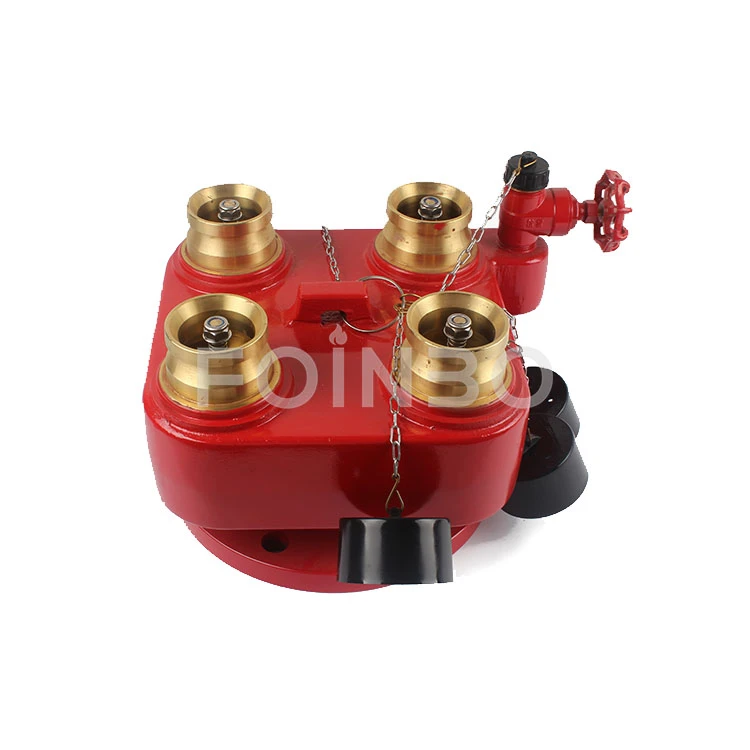
How Breeching Inlet Works
A breeching inlet, also known as a fire service inlet, siamese connection, or fire department connection, is a vital component in fire protection systems. It acts as a bridge between external water sources (such as fire engines or municipal hydrants) and a building's internal fire suppression infrastructure, ensuring firefighters can deliver high-pressure water efficiently during emergencies. Below is a detailed explanation of how a breeching inlet functions, its design principles, and its role in firefighting operations.
A breeching inlet is typically installed on the exterior of a building, often near ground level for easy access. Its key components include:
- Inlet Couplings: These are threaded or storz connections (usually 2.5"–6" in diameter) that allow hoses from fire engines to attach securely. A standard breeching inlet may have two, three, or four couplings, enabling simultaneous connections from multiple hoses.
- Check Valve: This one-way valve prevents backflow, ensuring water flows only into the building's system and not back into the fire engine or hydrant.
- Pressure Gauge: Some models include a gauge to monitor water pressure, helping firefighters adjust flow rates as needed.
- Body and Flange: Constructed from durable materials like galvanized steel, brass, or stainless steel, the inlet's body withstands high-pressure water flow and environmental exposure.
During a fire emergency, firefighters arrive with hoses connected to their engines or municipal hydrants. The process of using a breeching inlet involves:
- Hose Attachment: Firefighters connect their hoses to the inlet's couplings. For example, a 4-way breeching inlet allows four hoses to be attached simultaneously, maximizing water delivery.
- Opening the Valve: The inlet's gate valve is opened manually or electronically, enabling water to flow into the building's piping system.
- Pressure Management: If the inlet includes a pressure regulator, it adjusts the incoming water pressure to match the building's system requirements, preventing damage to pipes or sprinklers
The breeching inlet connects to a building's internal fire protection network, typically a dry riser (empty pipes that are filled during emergencies) or wet riser (pre-filled pipes). Here's how the process works:
- Dry Riser Systems: Common in high-rise buildings, dry risers remain empty under normal conditions. When a fire occurs, the breeching inlet allows firefighters to pump water upward through the riser to sprinklers or hose reels on upper floors. This is critical because gravity limits the reach of ground-level hoses.
- Wet Riser Systems: These are always filled with water, but the breeching inlet can still supplement pressure if the existing supply is insufficient (e.g., due to fire damage or high demand).
4. Flow Dynamics and Pressure Control
The effectiveness of a breeching inlet depends on its ability to manage water flow and pressure:
- High-Flow Capacity: Multiple couplings enable large volumes of water to enter the system quickly. For example, a 4-way inlet can distribute water to four separate zones simultaneously.
- Pressure Regulation: Some inlets incorporate pressure-reducing valves to ensure the incoming water does not exceed the building's pipe capacity. This is crucial in older structures with weaker piping.
- Backflow Prevention: The check valve prevents contaminated water from flowing back into the fire engine or municipal supply, maintaining hygiene and system integrity.
The breeching inlet is used in various firefighting scenarios:
- High-Rise Fires: In tall buildings, ground-level hoses cannot reach upper floors effectively. The breeching inlet allows water to be pumped through the dry riser to sprinklers or standpipes.
- Large-Scale Fires: When a fire exceeds the capacity of a building's internal system, external water sources (via the inlet) provide additional flow to suppress the blaze.
- Industrial Fires: Factories or warehouses may require high-pressure water to combat fires involving flammable materials. The inlet ensures a steady supply from fire engines or hydrants.