

Can a breeching inlet be used in a bank? This is a question that often arises when considering fire protection systems in commercial buildings, especially high - security and high - value facilities like banks. As a breeching inlet supplier, I have delved deep into this topic to provide accurate and useful information.
Understanding Breeching Inlets
Before discussing their applicability in banks, let's first understand what breeching inlets are. A breeching inlet is a crucial component of a building's fire protection system. It serves as an external connection point that allows firefighters to quickly and efficiently supply large volumes of water to a building's internal fire sprinkler or standpipe systems. When a fire breaks out, traditional water sources within the building may be insufficient or compromised. The breeching inlet provides an alternative way to bring in water from fire trucks or other external water supplies.
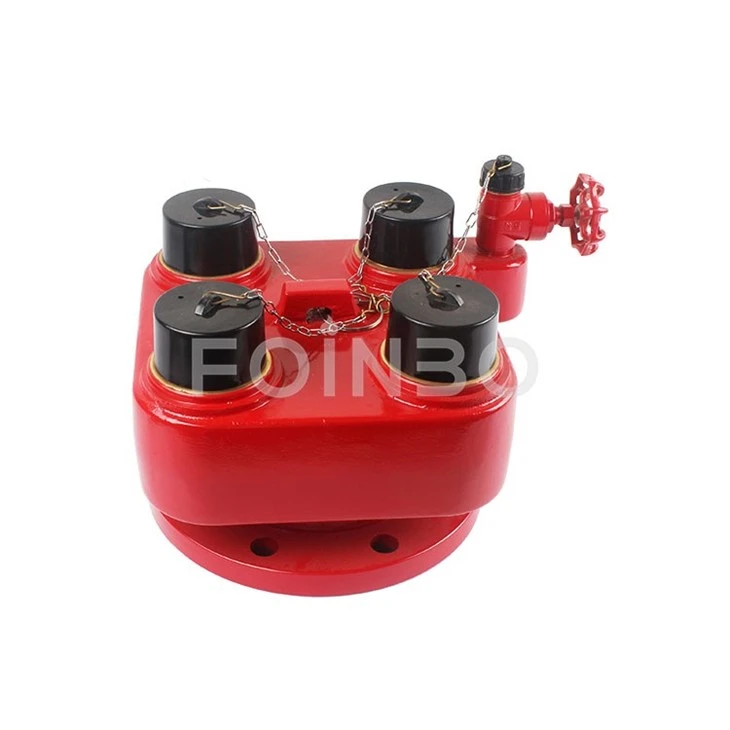
There are different types of breeching inlets available in the market. For instance, the Breeching Inlet Connection is designed to ensure a secure and leak - free connection between the external water supply and the internal fire protection system. The Breech Inlet is a more general term referring to the inlet device itself, which can come in various sizes and configurations. And the Four Way Breeching Inlet offers multiple connection points, allowing for greater flexibility in water supply.

The Need for Fire Protection in Banks
Banks house a large amount of valuable assets, including cash, important documents, and sensitive electronic equipment. In addition, they are often open to the public, which means there are many people present during business hours. A fire in a bank can have catastrophic consequences, not only in terms of financial losses but also in terms of public safety. Therefore, having a reliable fire protection system is of utmost importance.
Fire sprinkler systems and standpipe systems are commonly installed in banks to suppress fires. However, these systems rely on a continuous supply of water. In the event of a major fire, the building's internal water supply may not be able to meet the demand. This is where breeching inlets come into play.
Advantages of Using Breeching Inlets in Banks
- Rapid Water Supply: Breeching inlets enable firefighters to quickly connect to the building's fire protection system and supply large volumes of water. This can significantly reduce the time it takes to control a fire, minimizing damage to the bank's assets and ensuring the safety of employees and customers.
- Flexibility: With a breeching inlet, firefighters can use different external water sources, such as fire trucks or nearby hydrants. This provides flexibility in case the building's internal water supply is disrupted or insufficient.
- Compliance with Regulations: Many local fire codes and regulations require commercial buildings, including banks, to have a breeching inlet as part of their fire protection system. By installing a breeching inlet, banks can ensure compliance with these regulations and avoid potential fines.
Challenges and Considerations
While there are clear advantages to using breeching inlets in banks, there are also some challenges and considerations that need to be addressed.
- Security Concerns: Banks are high - security facilities, and any external connection point like a breeching inlet could potentially be a security risk. However, modern breeching inlets can be designed with security features such as locking mechanisms and tamper - proof covers to prevent unauthorized access.
- Location and Accessibility: The breeching inlet needs to be located in a place that is easily accessible to firefighters but also protected from damage. It should be clearly marked and not obstructed by any objects. In a bank, finding the right location for the breeching inlet may require careful planning to balance accessibility and security.
- Maintenance: Like any other component of a fire protection system, breeching inlets require regular maintenance to ensure they are in good working condition. Banks need to have a maintenance plan in place to inspect, test, and repair the breeching inlet as needed.
Case Studies
To illustrate the effectiveness of breeching inlets in banks, let's look at a few case studies. In a large urban bank, a fire broke out on the upper floors due to an electrical malfunction. The building's internal water supply was unable to keep up with the fire demand. However, firefighters were able to quickly connect to the breeching inlet and supply water to the sprinkler system. As a result, the fire was quickly brought under control, and the damage to the bank was minimized.
In another case, a bank in a rural area experienced a fire during a drought. The local water supply was limited, but the breeching inlet allowed firefighters to use water from a nearby lake. This alternative water source was crucial in extinguishing the fire and preventing further damage.
Conclusion
In conclusion, breeching inlets can be a valuable addition to a bank's fire protection system. They offer rapid water supply, flexibility, and help banks comply with fire regulations. While there are some challenges and considerations, these can be addressed through proper design, installation, and maintenance.
As a breeching inlet supplier, I am committed to providing high - quality products and solutions that meet the specific needs of banks. If you are a bank owner or manager, or involved in the design and construction of a bank, I encourage you to consider the benefits of using breeching inlets in your fire protection system.
If you are interested in learning more about our breeching inlet products or would like to discuss a potential procurement, please feel free to reach out. Our team of experts is ready to assist you in making the right decision for your bank's fire protection needs.
References
- National Fire Protection Association (NFPA) standards related to fire protection systems in commercial buildings.
- Local fire codes and regulations regarding the installation of breeching inlets.
- Case studies from fire departments and insurance companies on the effectiveness of breeching inlets in commercial buildings.