

How does the foot valve affect the energy consumption of a pump?
In the realm of fluid pumping systems, the foot valve plays a crucial role that often goes unnoticed. As a trusted foot valve supplier, I've witnessed firsthand how the right foot valve can optimize pump performance and reduce energy consumption, while the wrong one can lead to inefficiencies and increased costs. In this blog, I'll delve into the intricate relationship between foot valves and pump energy consumption, exploring the various factors at play and offering insights on how to make the most of this essential component.
Understanding the Foot Valve
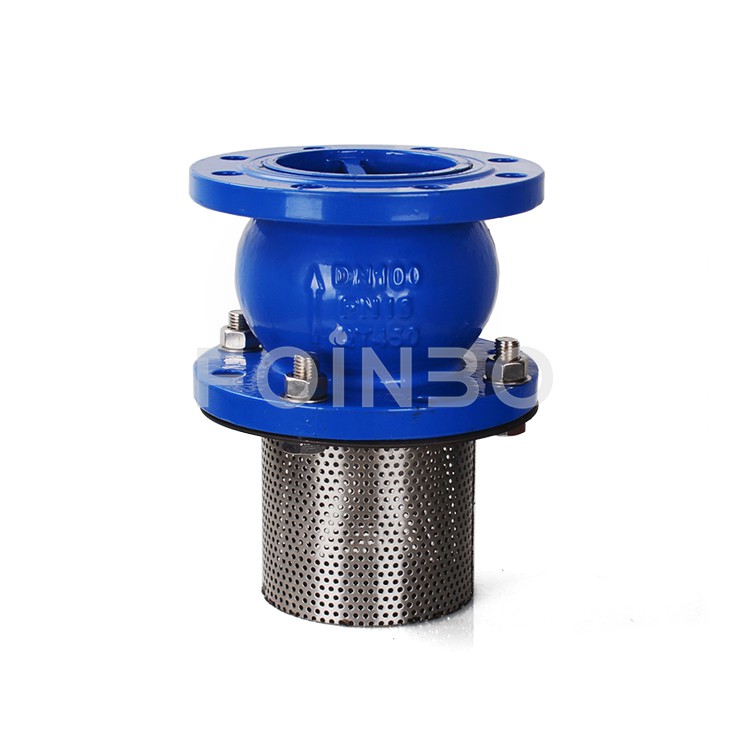
Before we can understand how a foot valve affects pump energy consumption, it's important to understand what a foot valve is and what it does. A foot valve is a type of check valve that is typically installed at the intake end of a pump suction line, usually at the bottom of a well or a tank. Its primary function is to prevent the backflow of fluid when the pump is turned off, ensuring that the suction line remains primed and ready for the next pumping cycle. This not only simplifies the start-up process but also helps to protect the pump from damage caused by dry running.
The Impact of Foot Valve Design on Energy Consumption
The design of a foot valve can have a significant impact on the energy consumption of a pump. Several key design factors come into play, including the valve's flow characteristics, seat design, and material selection.
-
Flow Characteristics: The flow characteristics of a foot valve determine how easily fluid can pass through it. A foot valve with a low flow resistance will allow fluid to enter the suction line more freely, reducing the amount of energy the pump needs to expend to draw in the fluid. On the other hand, a foot valve with a high flow resistance will create a greater pressure drop, forcing the pump to work harder and consume more energy. When selecting a foot valve, it's important to choose one with a design that minimizes flow resistance, such as a Flange End Foot Valve, which is designed to provide a smooth and unrestricted flow path.
-
Seat Design: The seat design of a foot valve is another important factor that affects energy consumption. A well-designed seat will provide a tight seal when the valve is closed, preventing any backflow of fluid. This not only helps to maintain the prime in the suction line but also reduces the amount of energy the pump needs to expend to overcome the pressure difference between the suction and discharge sides of the valve. A foot valve with a poor seat design may allow some fluid to leak back into the source, causing the pump to work harder to maintain the desired flow rate.
-
Material Selection: The material used to construct a foot valve can also impact its energy efficiency. A foot valve made from a high-quality, corrosion-resistant material will be more durable and less likely to develop leaks or other issues that can increase energy consumption. For example, a 1 Inch Foot Valve made from stainless steel or bronze will be able to withstand the harsh conditions of many pumping applications, ensuring reliable performance and long-term energy savings.
The Role of Foot Valve Maintenance in Energy Efficiency
Proper maintenance of a foot valve is essential for ensuring its optimal performance and minimizing energy consumption. Over time, foot valves can become clogged with debris, sediment, or other contaminants, which can increase flow resistance and reduce the valve's ability to seal properly. Regular inspection and cleaning of the foot valve can help to prevent these issues and ensure that the valve is functioning at its best.
In addition to cleaning, it's also important to check the foot valve for any signs of wear or damage on a regular basis. A worn or damaged valve may not seal properly, leading to increased backflow and higher energy consumption. If any issues are detected, the valve should be repaired or replaced as soon as possible to prevent further damage to the pump and the overall pumping system.
The Importance of Correct Foot Valve Sizing
Selecting the correct size of foot valve is crucial for optimizing pump performance and energy efficiency. A foot valve that is too small for the application will have a higher flow resistance, forcing the pump to work harder and consume more energy. On the other hand, a foot valve that is too large may not provide a tight seal, leading to backflow and increased energy consumption.
When sizing a foot valve, it's important to consider several factors, including the flow rate, pressure, and viscosity of the fluid being pumped, as well as the size and type of the pump. A professional engineer or pump specialist can help to determine the appropriate size of foot valve for your specific application, ensuring that the valve is able to provide the necessary flow capacity and sealing performance while minimizing energy consumption.
The Benefits of Using a High-Quality Foot Valve
Using a high-quality foot valve can offer several benefits in terms of energy efficiency and overall pump performance. Some of the key benefits include:
-
Reduced Energy Consumption: A high-quality foot valve with a low flow resistance and a tight seal will allow the pump to operate more efficiently, reducing the amount of energy it needs to consume to achieve the desired flow rate. This can result in significant cost savings over the life of the pump.
-
Improved Pump Life: By preventing backflow and maintaining the prime in the suction line, a high-quality foot valve can help to protect the pump from damage caused by dry running and other issues. This can extend the life of the pump and reduce the need for costly repairs and replacements.

-
Enhanced System Reliability: A foot valve that is designed and manufactured to high standards will provide reliable performance over time, reducing the risk of system failures and downtime. This can help to ensure the continuous operation of the pumping system and minimize the impact on your business.
Conclusion
In conclusion, the foot valve plays a vital role in the energy consumption of a pump. By understanding the various factors that affect foot valve performance and taking steps to optimize its design, maintenance, and sizing, you can significantly reduce the energy consumption of your pump and improve the overall efficiency of your pumping system.
As a leading foot valve supplier, we offer a wide range of high-quality foot valves, including Flange End Foot Valve, 1 Inch Foot Valve, and Non Return Foot Valve, designed to meet the diverse needs of our customers. Our valves are manufactured using the latest technology and highest quality materials, ensuring reliable performance and long-term energy savings.
If you're looking to improve the energy efficiency of your pump or have any questions about our foot valve products, we encourage you to contact us for a consultation. Our team of experts will be happy to help you select the right foot valve for your application and provide you with the support and guidance you need to optimize your pumping system.
References
- Karassik, I. J., Messina, R. S., Cooper, P. T., & Heald, C. C. (2008). Pump Handbook. McGraw-Hill.
- Crane Co. (1988). Flow of Fluids Through Valves, Fittings, and Pipe. Technical Paper No. 410.