

A breeching inlet is a crucial component in a building's fire protection system, serving as a connection point for firefighters to supply water to the internal fire suppression system. As a breeching inlet supplier, I understand the importance of ensuring that our products meet the highest standards of performance. In this blog post, I will discuss the key performance indicators of a good breeching inlet, which are essential for effective fire protection.
Flow Capacity
One of the most important performance indicators of a breeching inlet is its flow capacity. The flow capacity determines how much water can be delivered through the inlet to the building's fire suppression system. A high flow capacity is crucial in firefighting situations, as it allows firefighters to quickly and effectively supply water to the affected areas.
The flow capacity of a breeching inlet is typically measured in gallons per minute (GPM) or liters per minute (LPM). A good breeching inlet should be able to handle a high flow rate, usually ranging from 500 GPM to 2000 GPM or more, depending on the size and requirements of the building. This ensures that an adequate amount of water can be delivered to the fire, helping to control and extinguish it more efficiently.
When selecting a breeching inlet, it is important to consider the specific needs of the building and the fire protection system. Factors such as the size of the building, the type of occupancy, and the expected fire load should all be taken into account. For larger buildings or those with high fire risks, a breeching inlet with a higher flow capacity may be required.
Pressure Rating
Another important performance indicator is the pressure rating of the breeching inlet. The pressure rating indicates the maximum pressure that the inlet can withstand without leaking or failing. In firefighting operations, high-pressure water is often used to ensure that the water can reach the upper floors of a building or penetrate through thick walls and partitions.
A good breeching inlet should have a high pressure rating, typically ranging from 200 psi to 300 psi or more. This allows it to handle the high-pressure water supplied by the fire department's pumps without any issues. It is also important to ensure that the breeching inlet is compatible with the pressure requirements of the building's fire suppression system.
In addition to the pressure rating, the breeching inlet should also be designed to handle sudden pressure changes. Firefighting operations can involve rapid fluctuations in pressure, and the inlet must be able to withstand these changes without experiencing any damage or failure. A well-designed breeching inlet will have features such as reinforced construction and pressure relief valves to ensure its reliability under these conditions.
Durability and Corrosion Resistance
Durability and corrosion resistance are also key performance indicators of a good breeching inlet. Firefighting equipment is often exposed to harsh environments, including water, chemicals, and extreme temperatures. A breeching inlet that is not durable or corrosion-resistant may fail prematurely, compromising the effectiveness of the fire protection system.
The breeching inlet should be made from high-quality materials that are resistant to corrosion and wear. Common materials used for breeching inlets include stainless steel, brass, and aluminum. These materials offer excellent durability and corrosion resistance, ensuring that the inlet will last for many years without requiring frequent maintenance or replacement.
In addition to the material selection, the breeching inlet should also be designed with proper seals and gaskets to prevent water leakage and corrosion. The seals should be made from materials that are resistant to chemicals and high temperatures, ensuring a tight and reliable seal. Regular inspections and maintenance of the breeching inlet are also important to ensure its continued performance and durability.
Ease of Installation and Maintenance
Ease of installation and maintenance is another important consideration when evaluating the performance of a breeching inlet. A well-designed breeching inlet should be easy to install, reducing the time and cost associated with the installation process. It should also be designed to be easily accessible for maintenance and inspection.
The breeching inlet should come with clear installation instructions and all the necessary hardware and fittings. It should be designed to fit standard fire protection system components, making it compatible with existing systems. Additionally, the inlet should be designed to be easily disassembled and reassembled for maintenance and repair purposes.
Regular maintenance of the breeching inlet is essential to ensure its continued performance. This includes inspecting the inlet for any signs of damage or wear, cleaning the inlet to remove any debris or sediment, and testing the inlet to ensure that it is functioning properly. A good breeching inlet should be designed to facilitate these maintenance tasks, making it easier for building owners and maintenance personnel to keep the fire protection system in good working condition.
Compatibility with Firefighting Equipment
A good breeching inlet should be compatible with the firefighting equipment used by the local fire department. This includes the fire hoses, couplings, and pumps. Compatibility ensures that the fire department can quickly and easily connect their equipment to the breeching inlet, allowing them to start supplying water to the building's fire suppression system without any delays.
The breeching inlet should have standard-sized connections that are compatible with the fire department's hoses and couplings. It should also be designed to work with the pressure and flow requirements of the fire department's pumps. This ensures that the fire department can use their existing equipment without any modifications or additional adapters.
In addition to compatibility with the fire department's equipment, the breeching inlet should also be designed to be user-friendly. It should have clear markings and instructions, making it easy for firefighters to identify and operate the inlet. This helps to ensure that the firefighting operations can be carried out efficiently and safely.
Safety Features
Safety is of utmost importance in firefighting operations, and a good breeching inlet should have several safety features. These features help to protect the firefighters and the building occupants during the firefighting process.
One important safety feature is a pressure relief valve. The pressure relief valve is designed to open automatically when the pressure inside the breeching inlet exceeds a certain limit. This helps to prevent overpressure situations, which can cause damage to the inlet or the fire protection system. The pressure relief valve also helps to protect the firefighters from the risk of injury due to sudden pressure changes.
Another safety feature is a locking mechanism. The locking mechanism ensures that the fire department's hoses and couplings are securely attached to the breeching inlet. This helps to prevent the hoses from becoming disconnected during the firefighting process, which could result in a loss of water supply and endanger the safety of the firefighters and the building occupants.

Conclusion
In conclusion, a good breeching inlet should have several key performance indicators, including high flow capacity, high pressure rating, durability and corrosion resistance, ease of installation and maintenance, compatibility with firefighting equipment, and safety features. As a breeching inlet supplier, we are committed to providing our customers with high-quality products that meet these performance indicators.
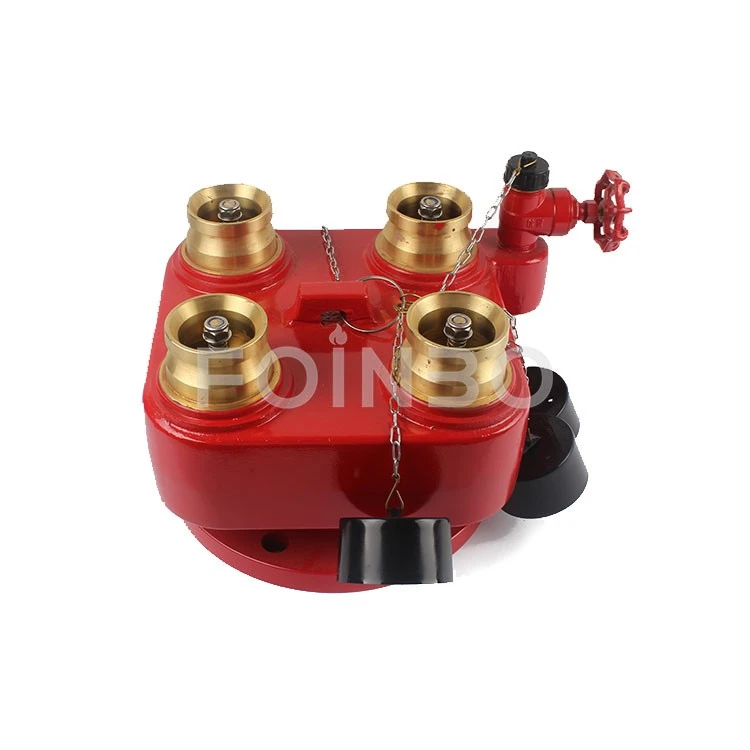
If you are in the market for a breeching inlet, we invite you to explore our range of products, including the Breech Inlet, 2 Way Inlet Breeching Valve, and 4 Way Breeching Inlet. Our products are designed and manufactured to the highest standards, ensuring reliable performance and long-lasting durability.
For more information or to discuss your specific requirements, please feel free to contact us. We look forward to working with you to provide the best fire protection solutions for your building.
References
- National Fire Protection Association (NFPA). NFPA 14: Standard for the Installation of Standpipe and Hose Systems.
- International Building Code (IBC). Chapter 9: Fire Protection Systems.
- Underwriters Laboratories (UL). UL 215: Standard for Fire Department Inlets.