

Hey there! As a supplier of breeching inlets, I often get asked about the materials used to make these essential firefighting components. So, I thought I'd take a moment to break it down for you.
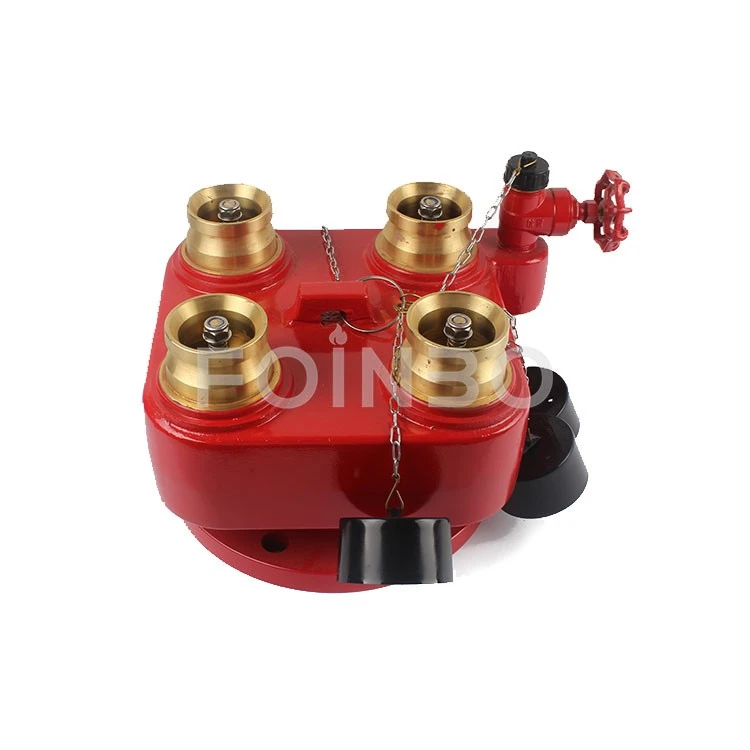
First off, let's talk about what a breeching inlet is. In simple terms, it's a connection point on a building that allows firefighters to quickly and easily supply water to the building's internal fire suppression systems. It's a crucial part of any fire protection setup, and the materials used to make it can have a big impact on its performance and durability.
One of the most common materials used for breeching inlets is ductile iron. Ductile iron is a type of cast iron that has been treated to make it more flexible and resistant to cracking. It's strong, durable, and can withstand high pressures, making it an ideal choice for firefighting applications. Ductile iron breeching inlets are often coated with a protective layer to prevent corrosion, which helps to extend their lifespan.
Another popular material is stainless steel. Stainless steel is known for its corrosion resistance, which makes it a great option for breeching inlets that will be exposed to harsh environments or chemicals. It's also very strong and can handle high pressures, making it suitable for use in firefighting systems. Stainless steel breeching inlets are often used in coastal areas or industrial settings where corrosion is a concern.
Aluminum is another material that's sometimes used for breeching inlets. Aluminum is lightweight, which makes it easy to install and transport. It's also resistant to corrosion, although not as much as stainless steel. Aluminum breeching inlets are a good choice for applications where weight is a factor, such as on mobile firefighting units.
In addition to these metals, some breeching inlets are made from composite materials. Composite materials are made by combining two or more different materials to create a material with unique properties. For example, a composite breeching inlet might be made from a combination of fiberglass and resin. Composite materials can be very strong and lightweight, and they can also be designed to resist corrosion and other environmental factors.
Now, let's take a closer look at some of the specific components of a breeching inlet and the materials used to make them.
The body of the breeching inlet is usually made from one of the materials we've already discussed, such as ductile iron, stainless steel, or aluminum. The body is the main part of the breeching inlet that connects to the building's fire suppression system. It's designed to be strong and durable, and it needs to be able to withstand high pressures and temperatures.
The valve is another important component of the breeching inlet. The valve is used to control the flow of water into the building's fire suppression system. Valves can be made from a variety of materials, including brass, stainless steel, and plastic. Brass is a common choice for valves because it's strong, corrosion-resistant, and easy to machine. Stainless steel valves are also popular because they're very durable and can handle high pressures. Plastic valves are sometimes used in applications where cost is a factor, although they may not be as durable as metal valves.

The gaskets and seals used in the breeching inlet are also important. Gaskets and seals are used to prevent leaks and ensure a tight connection between the different components of the breeching inlet. They're usually made from rubber or other elastomeric materials, such as neoprene or EPDM. These materials are flexible and can conform to the shape of the surfaces they're sealing, which helps to prevent leaks.
So, there you have it! Those are some of the main materials used to make breeching inlets. As a supplier, I understand the importance of using high-quality materials to ensure the safety and reliability of our products. That's why we only use the best materials in our breeching inlets, and we subject them to rigorous testing to make sure they meet or exceed industry standards.
If you're in the market for a breeching inlet, I encourage you to check out our products. We offer a wide range of breeching inlets, including Breech Inlet, 4 Way Breeching Inlet Connection, and 4 Way Breeching Inlet. Our products are made from high-quality materials and are designed to provide reliable performance in even the most demanding firefighting situations.
If you have any questions or would like to discuss your specific needs, please don't hesitate to contact us. We're here to help you find the right breeching inlet for your application, and we'll work with you to ensure that you get the best possible product at the best possible price.
References:
- NFPA 14: Standard for the Installation of Standpipe and Hose Systems
- ASTM International standards for metals and composite materials
- Manufacturer's specifications for breeching inlets