

Selecting the right foot valve for a large - scale industrial system is a critical decision that can significantly impact the efficiency, reliability, and safety of your operations. As a foot valve supplier, I understand the complexities involved in this process and am here to guide you through the key considerations.
Understanding the Function of Foot Valves
Before delving into the selection process, it's essential to understand what a foot valve does. A foot valve is a type of check valve installed at the end of a suction pipe in a pumping system. Its primary function is to prevent the backflow of fluid when the pump is turned off, ensuring that the suction line remains primed. This is crucial in large - scale industrial systems where priming can be time - consuming and costly.
Key Factors in Selecting a Foot Valve
Flow Rate
One of the most important factors to consider is the flow rate of the system. The foot valve must be able to handle the required flow without causing excessive pressure drop. A valve with a too - small orifice will restrict the flow, leading to reduced pump efficiency and increased energy consumption. On the other hand, an oversized valve may not provide sufficient resistance to prevent backflow effectively. To determine the appropriate flow rate, you need to analyze the system's demand, including the volume of fluid to be pumped and the desired pumping speed.
Pressure Rating
The pressure rating of the foot valve is another critical consideration. Industrial systems often operate under high pressures, and the foot valve must be able to withstand these pressures without leaking or failing. You should select a valve with a pressure rating that exceeds the maximum operating pressure of your system. This provides a safety margin and ensures the long - term reliability of the valve. Consider factors such as the depth of the fluid source, the height of the discharge point, and any additional pressure fluctuations in the system.
Material of Construction
The material of the foot valve is vital, as it determines the valve's resistance to corrosion, abrasion, and chemical attack. In large - scale industrial systems, the fluid being pumped can be highly corrosive or abrasive, such as in mining, chemical processing, or wastewater treatment. Common materials for foot valves include cast iron, stainless steel, and bronze. Cast iron is a cost - effective option but may not be suitable for highly corrosive environments. Stainless steel offers excellent corrosion resistance and is often used in applications where hygiene is a concern, such as in the food and beverage industry. Bronze is also a popular choice due to its good corrosion resistance and mechanical properties.
Type of Foot Valve
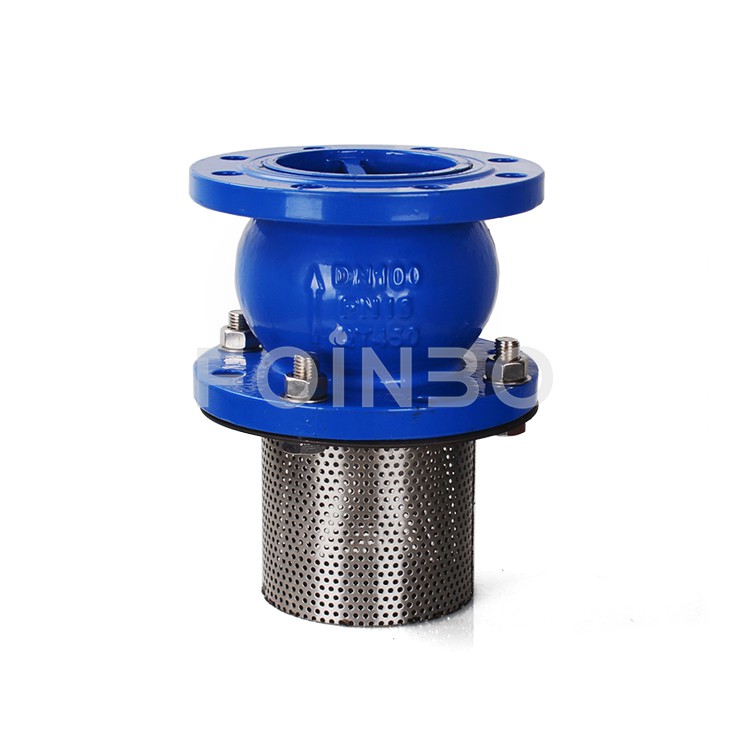
There are different types of foot valves available, each with its own advantages and disadvantages. The Non Return Foot Valve is a basic type that allows fluid to flow in one direction only, preventing backflow. It is simple in design and widely used in various industrial applications. The Flange End Foot Valve is designed with flanges for easy installation and connection to the suction pipe. It provides a more secure and leak - proof connection compared to other types of valves. The 1 Inch Foot Valve is a specific size option that may be suitable for smaller - scale or low - flow applications within a large - scale industrial system.
Size and Compatibility
The size of the foot valve must be compatible with the suction pipe of your system. An improper fit can lead to leaks, reduced flow, and increased wear on the valve and the pipe. You need to measure the inner diameter of the suction pipe accurately and select a foot valve with the corresponding size. Additionally, consider the connection type of the valve, such as threaded or flanged, to ensure compatibility with the existing piping system.
Installation and Maintenance Considerations
Proper installation and maintenance are essential for the optimal performance of the foot valve. During installation, make sure that the valve is installed in the correct orientation, with the flow arrow indicating the direction of fluid flow. The valve should be securely fastened to the suction pipe to prevent vibration and movement. Regular maintenance is also crucial to keep the valve in good working condition. This includes inspecting the valve for signs of wear, corrosion, or damage, and replacing any worn - out parts as needed.
Cost - Benefit Analysis
When selecting a foot valve for a large - scale industrial system, cost is always a factor. However, it's important to consider the long - term cost - benefit rather than just the initial purchase price. A high - quality foot valve may cost more upfront but can save you money in the long run by reducing energy consumption, minimizing downtime due to valve failures, and extending the lifespan of the valve and the pumping system. You should also factor in the cost of installation, maintenance, and replacement parts when making your decision.
Working with a Reliable Supplier
As a foot valve supplier, I understand the importance of providing high - quality products and excellent customer service. When selecting a foot valve, it's crucial to work with a reliable supplier who can offer technical support, product expertise, and a wide range of options to meet your specific needs. A good supplier will also provide warranties and after - sales service to ensure your satisfaction.
If you are in the process of selecting a foot valve for your large - scale industrial system, I encourage you to reach out to me. I can assist you in evaluating your requirements, recommending the most suitable valve, and providing all the necessary information to make an informed decision. Whether you have questions about flow rates, pressure ratings, or material selection, I'm here to help. Contact me to start the procurement and negotiation process, and let's work together to find the perfect foot valve for your industrial system.

References
- "Industrial Pump Handbook" by Igor J. Karassik, Joseph P. Messina, Paul Cooper, and Charles C. Heald.
- "Valve Handbook" by J. Paul Tullis.
- Various industry standards and guidelines related to foot valves and pumping systems.